

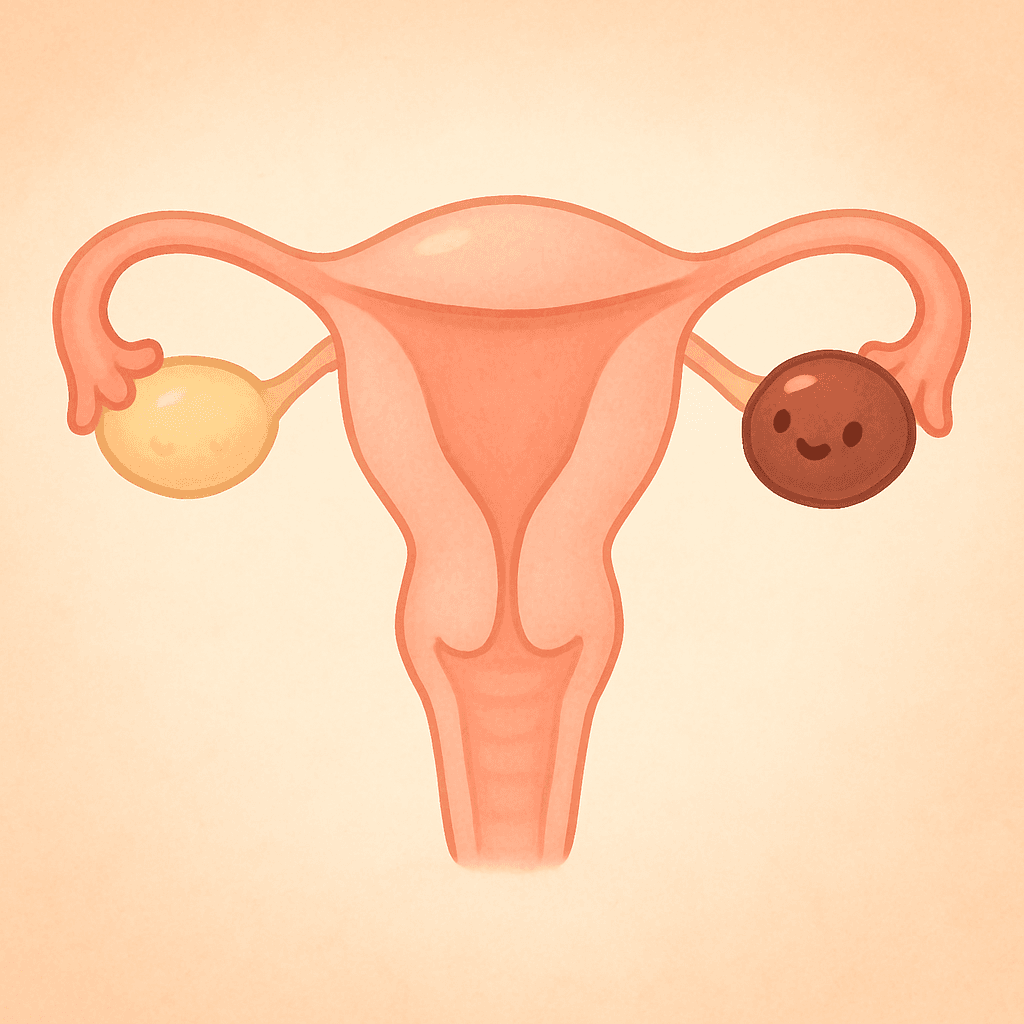
Chocolate cysts, medically known as ovarian endometriomas, are a unique type of ovarian cyst that result from endometriosis. These cysts are filled with dark, old blood, giving them a characteristic “chocolate-like” appearance. Understanding chocolate cysts is crucial for women who experience pelvic pain, menstrual irregularities, or have fertility concerns, as early diagnosis and proper management can significantly improve quality of life.
What Is a Chocolate Cyst (Ovarian Endometrioma)?
A chocolate cyst forms when endometrial tissue, which normally lines the inside of the uterus, starts to grow on the ovary. During each menstrual cycle, this tissue acts as if it were still in the uterus—thickening, breaking down, and bleeding. However, because there is no way for the blood to exit the ovary, it becomes trapped, forming a cyst filled with dark, coagulated blood. Over time, this process can cause the cyst to grow, sometimes reaching several centimeters in diameter.
Chocolate cysts are most commonly found in women of reproductive age, particularly those in their 20s to 40s. The presence of an ovarian endometrioma often indicates advanced endometriosis and can be associated with severe pelvic pain and infertility.
Causes of Chocolate Cysts and Ovarian Endometriomas
The main cause of chocolate cysts is endometriosis, a condition where endometrial-like tissue grows outside the uterus. Several factors can contribute to the development of endometriomas:
- Genetic Predisposition: Women with a family history of endometriosis are more likely to develop chocolate cysts.
- Retrograde Menstruation: This is a phenomenon where menstrual blood flows backward through the fallopian tubes into the pelvic cavity instead of leaving the body.
- Immune System Dysfunction: An impaired immune system may fail to recognize and destroy misplaced endometrial tissue.
- Hormonal Influences: Estrogen promotes the growth of endometrial tissue, which may increase the risk of cyst formation.
While the exact cause remains unclear, a combination of these factors likely contributes to the risk of developing chocolate ovarian cysts.
Common Symptoms of a Chocolate Cyst
Not every woman with a chocolate cyst experiences symptoms. In fact, some only discover the condition during investigations for unrelated problems. However, when symptoms do occur, they can significantly affect daily life.
Symptoms of Ovarian Endometrioma
- Chronic Pelvic Pain: Persistent or recurring pain in the lower abdomen and pelvis, often worsening before or during menstruation.
- Painful Periods (Dysmenorrhea): Menstrual cramps may be more intense and longer-lasting than usual.
- Pain During Intercourse (Dyspareunia): Many women with chocolate cysts report pain during or after sex, which can impact relationships and emotional well-being.
- Lower Back Pain: Aching pain that radiates from the pelvis to the lower back, especially around the time of menstruation.
Endometriosis Chocolate Cyst Symptoms
- Heavy or Irregular Menstrual Bleeding: Periods may be heavier, more prolonged, or irregular in timing.
- Abdominal Bloating and Fullness: Some women notice swelling or a sense of heaviness in the lower abdomen.
- Digestive Symptoms: Constipation, diarrhea, or nausea, especially during periods.
- Fatigue: Ongoing pain and inflammation can lead to tiredness and low energy levels.
- Difficulty Conceiving: Endometriomas are linked to reduced fertility, making it harder to get pregnant.
Chocolate Cyst vs. Other Ovarian Cysts: What’s the Difference?
While all ovarian cysts are fluid-filled sacs on or within the ovaries, their origins and contents vary:
- Chocolate Cysts (Ovarian Endometriomas): Formed due to endometriosis, filled with dark, old blood. Their presence often indicates a chronic, inflammatory process in the pelvis.
- Functional Cysts: Common in women of childbearing age, these cysts are usually harmless, develop during the menstrual cycle, and often resolve on their own.
- Dermoid Cysts and Cystadenomas: Other benign ovarian cysts that contain different types of tissues (like fat, hair, or fluid), unrelated to endometriosis.
Chocolate cyst endometriomas tend to cause more severe symptoms and are less likely to disappear without treatment compared to other cyst types. They may also be more likely to recur after surgical removal.
Can You Get Pregnant with a Chocolate Cyst?
Fertility concerns are a major issue for women diagnosed with chocolate cysts. The relationship between ovarian endometrioma and fertility is complex:
- Chocolate cysts can reduce the number and quality of eggs in the affected ovary.
- Inflammation caused by endometriosis may impair the function of surrounding reproductive organs, such as the fallopian tubes.
- Surgery to remove chocolate cysts can improve fertility in some cases, but it can also reduce ovarian reserve if healthy tissue is inadvertently removed.
Natural Conception vs IVF Outcomes
- Natural Conception: Some women with small or unilateral chocolate cysts (on one ovary only) can conceive naturally, particularly if their fallopian tubes and the unaffected ovary are healthy.
- IVF (In Vitro Fertilization): When natural conception is challenging, IVF is a common option. Studies show that IVF success rates can be slightly lower in women with endometriomas, but many women still achieve pregnancy through assisted reproduction.
Does Size or Location Affect Pregnancy?
- Size Matters: Larger cysts (typically over 4-5 cm) can have a greater impact on ovarian function and may cause more pain.
- Location Impact: Bilateral cysts (in both ovaries) or cysts close to the ovarian hilum (the area where blood vessels enter the ovary) can reduce the ovarian reserve further.
- Surgical Considerations: Sometimes, surgery is recommended to remove large or symptomatic cysts before attempting pregnancy, but it should be carefully balanced to preserve as much healthy ovarian tissue as possible.
How Is a Chocolate Cyst Diagnosed?
Diagnosing a chocolate cyst ovary involves a thorough evaluation, including a review of symptoms, a physical exam, and imaging studies.
Ultrasound and MRI
- Transvaginal Ultrasound: The first and most common diagnostic tool. Chocolate cysts often appear as homogenous, ground-glass cystic masses on the ovary. Ultrasound can help measure the size and assess for features suggesting malignancy.
- MRI (Magnetic Resonance Imaging): Provides detailed images to help differentiate chocolate cysts from other ovarian or pelvic masses. It is especially useful when surgery is planned or when there is diagnostic uncertainty.
Laparoscopy as a Diagnostic and Treatment Tool
- Laparoscopy: This minimally invasive surgical procedure allows direct visualization of the ovaries and pelvic organs. During laparoscopy, a surgeon can both confirm the diagnosis and remove the cyst, sending it for pathological analysis if needed.
- Benefits: Laparoscopy has the advantage of shorter recovery time and fewer complications compared to open surgery. It is considered the gold standard for both diagnosis and treatment of endometriosis and related cysts.
Chocolate Cyst Treatment Options
Treatment of chocolate cysts is highly individualized and depends on the woman’s age, symptoms, cyst size, fertility goals, and overall health.
Medical Management:
- Hormonal Therapy: Birth control pills, GnRH agonists, and progestins can suppress endometriosis and reduce cyst size or prevent recurrence. However, they do not eliminate existing cysts.
- Pain Management: NSAIDs and other pain relievers help control chronic pelvic pain.
Surgical Management:
- Laparoscopic Cystectomy: The cyst is carefully removed while preserving as much normal ovarian tissue as possible. This is the preferred treatment for women who wish to maintain fertility.
- Oophorectomy: In severe cases or for women who have completed childbearing, removal of the affected ovary may be considered.
- Adhesiolysis: Removal of scar tissue to improve pelvic anatomy and enhance fertility.
Fertility Preservation:
- Egg Freezing: For women facing surgery or with diminished ovarian reserve, egg or embryo freezing can be discussed as a way to preserve future fertility.
- Assisted Reproduction: IVF or other assisted reproductive techniques may be considered if natural conception is not possible.
Follow-Up and Prevention:
- Regular monitoring with ultrasound, especially if a conservative (non-surgical) approach is chosen.
- Lifestyle modifications and symptom management as advised by a healthcare professional.
Early diagnosis and proper management of chocolate cyst endometrioma can help minimize complications, preserve fertility, and greatly improve overall quality of life.