


Online Consultation

VITA ALTERA IVF · TREATMENT GUIDE

The Surrogacy Process in Cyprus

Explore treatment options, procedures and individual assessments.

Surrogacy is a specialized assisted reproduction program considered for women for whom carrying a pregnancy is medically not possible, or for whom pregnancy poses a serious health risk.

More about treatment planning

At the Vita Altera IVF Center, the surrogacy process in Cyprus is conducted based on the intended mother's medical condition, the genetic origin of the embryo, the gestational carrier candidate's suitability for pregnancy, official permissions, and a personalized IVF plan.

  • Personalized assessment
  • Consult our specialist team
  • International patient support
Vita Altera IVF laboratuvarı ve klinik çalışmaları
Vita Altera IVF Center Embryology Laboratory
Vita Altera IVF embriyoloji laboratuvarında mikroskopla yapılan çalışma

VITA ALTERA IVF 01

What is Surrogacy?

Surrogacy involves the transfer of an embryo created via IVF into the uterus of another woman who will carry the pregnancy.

The woman carrying the pregnancy is referred to as the surrogate or gestational carrier, while the individual(s) planning to have the child are referred to as the intended parent(s). In a surrogacy program, eggs can be obtained from the intended mother or from an egg donor suitable for the medical program. Sperm can be provided by the intended father or, when necessary, from an appropriate donor program. After the embryo is created in the laboratory, the surrogate's uterus is prepared for pregnancy. On the transfer day, the suitable embryo is placed into the surrogate's uterus using a thin catheter. Surrogacy is not a standalone pregnancy treatment. It is part of an IVF program that includes egg retrieval, fertilization, embryo development, and embryo transfer. Does the surrogate pass on genetic traits to the embryo?In a gestational surrogacy program where the surrogate's own eggs are not used, the embryo's DNA comes from the egg and sperm sources. The surrogate carries the pregnancy in her uterus but does not contribute genetically to the embryo via an egg.

Vita Altera IVF embriyoloji laboratuvarı ve uzman ekibi
Vita Altera IVF · Embryology Laboratory

VITA ALTERA IVF 02

What is Gestational Surrogacy?

Gestational surrogacy is a surrogacy model where the surrogate only carries the pregnancy, and her own eggs are not used to create the embryo.

The embryo can be created using the intended parents' own reproductive cells, or, depending on medical necessity and applicable regulations, donor eggs or donor sperm may also be used. In traditional surrogacy, where the surrogate's own egg is used, the surrogate is also the genetic mother. This method differs from gestational surrogacy in terms of medical, psychological, and legal aspects.

01

Gestational Surrogacy

  • The surrogate's eggs are not used.
  • The embryo is created via IVF or ICSI.
  • The surrogate undertakes the pregnancy and birth.
  • The genetic link is determined by the egg and sperm sources.
  • Uterine preparation is done before embryo transfer.

02

Traditional Surrogacy

  • The surrogate's own eggs are used.
  • The surrogate has a genetic link to the child.
  • The legal and psychological process can be more complex.
  • It should be evaluated differently from gestational surrogacy.
  • May not be practiced in every center or under every jurisdiction.

Which method is described on this page?This content primarily explains the gestational surrogacy process, where the surrogate's own eggs are not used, and the embryo transfer to the surrogate.

VITA ALTERA IVF 03

Is Surrogacy Legal in Cyprus?

In the TRNC, surrogacy is not a freely available procedure applicable to every applicant. The treatment must meet the medical and administrative conditions specified in the current regulations.

The surrogacy application is prepared through an authorized assisted reproductive treatment center. The medical justification for the intended mother and the health and identity documents of the surrogate candidate are submitted for evaluation. If the conditions stipulated in the legislation are met, the procedure can be carried out following the evaluation by the Ethics Committee and the authorization of the Competent Authority. The acceptance of the application only signifies medical and administrative permission for the embryo transfer. Procedures related to birth registration, lineage, citizenship, passport, and taking the child to another country may be influenced by the laws of the country of which the families are citizens. Independent legal counsel must be sought before starting treatmentEspecially in programs involving citizens of different countries, the country of birth, the child's civil registry, citizenship, travel documents, and the legal status of the intended parents should be evaluated with an independent legal expert before treatment.

VITA ALTERA IVF 04

Why is the Official Approval Process Necessary?

Surrogacy is a process with medical, ethical, and legal implications for the intended mother, the surrogate, the intended parents, and the child to be born.

01

01

Verification of Medical Necessity

The reason the intended mother cannot carry the pregnancy is documented through specialist evaluations and health reports. 02

02

Protection of the Surrogate

The surrogate candidate's health status regarding pregnancy, psychological readiness, and the voluntariness of her decision are evaluated. 03

03

Traceable and Safe Process

Reproductive cells, embryos, consents, and treatment records are monitored under security and traceability procedures. Treatment medications or embryo transfer should not be initiated without official approval. The scope of the application and the required documents may vary based on current regulations and the specifics of the individual file.

VITA ALTERA IVF 05

Who is Surrogacy Suitable For?

Surrogacy may be considered in documented cases where pregnancy is not possible for the intended mother to carry, or where it poses a serious health risk.

Is recurrent unsuccessful IVF attempt sufficient reason alone?Not every failed embryo transfer means the uterus cannot carry a pregnancy. A decision for surrogacy should not be made without investigating embryo characteristics, uterine structure, the endometrial lining, transfer timing, and other possible causes.

  • Women born without a uterus.
  • Women whose uterus has been surgically removed.
  • Women whose uterus is damaged to an extent that it cannot carry a pregnancy.
  • Women with severe intrauterine adhesions that cannot be corrected.
  • Women with severe congenital structural abnormalities of the uterus.
  • Women with serious heart disease where pregnancy could pose a life-threatening risk.
  • Women with serious kidney disease where pregnancy is not safe.
  • Women who experienced life-threatening serious complications in previous pregnancies.
  • Women for whom carrying a pregnancy is medically unsuitable due to cancer or another disease.
  • Other medical conditions deemed appropriate by specialist physicians and official evaluation boards.

VITA ALTERA IVF 06

Who May Surrogacy Be Unsuitable For?

Requesting surrogacy does not automatically mean the treatment can be applied. Medical justification and official eligibility must be present.

  • Individuals without a documented medical condition preventing them from carrying a pregnancy.
  • Individuals applying solely because they do not wish to experience pregnancy and childbirth.
  • Cases where the application does not meet the conditions of the current legislation.
  • If the surrogate candidate has a high risk for pregnancy.
  • If there is suspicion of pressure or coercion on the surrogate candidate's decision.
  • If psychological evaluation determines that the individual is not ready for the process.
  • If the parties have serious disagreements regarding legal and medical responsibilities.
  • If the required health and identity documents cannot be provided.
  • If the surrogate candidate does not give informed consent.
  • Applications deemed unsuitable by the Ethics Committee or the Competent Authority.

VITA ALTERA IVF 07

Who Can Be a Surrogate Mother?

It is not sufficient for a surrogate candidate to merely have a uterus. She must possess the medical, psychological, and social conditions to safely carry a pregnancy.

The current official regulations specify an age range of 21–40 for surrogate candidates. Final suitability is determined not only by age but also by a detailed health assessment and official approval.

Why is having given birth before important?Having previously experienced an uncomplicated pregnancy and birth can provide information about the candidate's physical and psychological experience with pregnancy. However, a previous healthy delivery does not guarantee that a new pregnancy will be entirely risk-free.

  • Meets the specified age and regulatory conditions.
  • Provides complete identity and health information.
  • Uterine structure is suitable for pregnancy.
  • No history of serious pregnancy or childbirth complications.
  • No uncontrolled chronic illness.
  • Infectious disease screenings yield appropriate results.
  • No smoking, alcohol, or substance abuse.
  • Evaluation of medication use that could affect pregnancy.
  • Psychological and psychiatric evaluations are favorable.
  • Makes the decision freely, without pressure.
  • Able to adhere to treatment, pregnancy, and delivery follow-ups.
  • Provides any additional required information and documents.

VITA ALTERA IVF 08

How is a Surrogate Candidate Evaluated?

01

Gynecological Examination

The uterus, endometrium, ovaries, and gynecological conditions that may affect pregnancy are evaluated via ultrasound and necessary examinations.

02

Pregnancy History

Previous pregnancies, delivery methods, miscarriages, preterm births, gestational diabetes, hypertension, and preeclampsia history are reviewed.

03

General Health Screening

Heart, kidney, liver, thyroid, and metabolic health status, as well as medications used, are evaluated.

04

Psychological Evaluation

The candidate's level of understanding of the process, motivation, boundaries, family support, and readiness for the postpartum period are assessed.

05

Infectious Disease Tests

Required screenings are performed according to current protocols for the safety of the surrogate, the embryo, and the pregnancy.

06

Independent Consent

The surrogate candidate must understand the potential risks of the procedure, medications, pregnancy, and birth, and make a decision freely.

VITA ALTERA IVF 09

How is the Genetic Link Determined in Surrogacy?

The genetic link of the child is determined not by the person carrying the pregnancy, but by the egg and sperm cells used to create the embryo.

01

Embryo of the Intended Parents

The egg is taken from the intended mother, and the sperm from the intended father. The child has a genetic link to both intended parents.

02

Use of Donor Eggs

The genetic characteristics of the embryo coming from the egg belong to the egg donor, and those from the sperm belong to the sperm provider.

03

Use of Donor Sperm

The genetic characteristics of the embryo coming from the sperm belong to the sperm donor, and those from the egg belong to the egg provider.

04

Embryo Donation

If embryo donation is used, there may be no genetic link via egg or sperm to the intended parents. Genetic link and legal parenthood are not the same conceptDNA connection, birth registration, and legal parenthood are separate matters. The official registration and citizenship procedures for the child to be born must be evaluated separately according to the legislation of the relevant countries.

VITA ALTERA IVF 10

What Tests are Performed Before Surrogacy?

Tests are planned to evaluate the intended mother's medical justification, the reproductive cells that will form the embryo, and the surrogate's suitability for pregnancy.

01

For the Intended Parents

  • Specialist reports showing the intended mother cannot carry a pregnancy.
  • Gynecological examination and ovarian reserve assessment.
  • AMH and required hormone tests.
  • Semen analysis.
  • Infectious disease screenings.
  • Genetic tests, if necessary.
  • Previous IVF and embryology reports.
  • Evaluation of current medications and chronic diseases.
02

For the Surrogate Candidate

  • Gynecological examination and ultrasound.
  • Assessment of the uterine cavity and endometrium.
  • Review of pregnancy and birth history.
  • Complete blood count and required biochemistry tests.
  • Thyroid and blood sugar evaluation.
  • Infectious disease screenings.
  • Cervical screenings and required cultures.
  • Psychiatric or psychological evaluation.
  • Cardiology or internal medicine consultations as needed.

Are the same tests performed for every application?No. In addition to basic checks, additional examinations may be requested based on the intended mother's specific condition, the surrogate's age, pregnancy history, the genetic source of the embryo, and the requirements of the official board.

VITA ALTERA IVF 11

Why is Psychological Evaluation Important?

Surrogacy is not merely a medical procedure. Pregnancy, childbirth, communication between the parties, and the postpartum period require psychological preparation.

01

Free Will

It is assessed whether the surrogate candidate made the decision without being under financial, familial, or social pressure.

02

Boundaries During Pregnancy

Expectations regarding examinations, frequency of communication, privacy, and medical decisions that may be made during pregnancy are discussed.

03

Postpartum Period

Delivery, the meeting of the baby with the intended parents, and the surrogate's physical and emotional recovery process are evaluated.

04

Family Readiness

Support is provided for the intended parents' psychological preparation for uncertainties, pregnancy monitoring, and postpartum parenthood.

VITA ALTERA IVF 12

How Does the Surrogacy Process in Cyprus Proceed?

Treatment consists of sequential stages, from documenting medical suitability to official approval, from embryo creation to transfer to the surrogate and pregnancy monitoring.

1

01

Initial Medical Consultation

Evaluation of why the intended mother cannot carry a pregnancy, her previous surgeries, illnesses, and IVF history. 2

02

Review of Available Documents

Examination of specialist reports, ultrasounds, surgical records, hormone tests, and previous embryology results. 3

03

Determining the Embryo Source

Deciding from whom the egg and sperm cells will be obtained, based on medical conditions, genetic link, and applicable rules. 4

04

Evaluation of the Surrogate Candidate

Completion of the candidate's gynecological exam, pregnancy history, general health tests, and psychological evaluations. 5

05

Legal Consultation

Evaluation of the rights of the parties, medical decisions, birth registration, citizenship, and cross-border procedures with independent legal experts. 6

06

Official Application

Preparation of medical reports, identification details, evaluations, and required consent forms for submission to competent authorities. 7

07

Ethical and Administrative Approval

Evaluation of the application by the Ethics Committee and the Competent Authority in accordance with current legislation. 8

08

Ovarian Stimulation

If the intended mother's own eggs are to be used, individualized hormonal medication is initiated for ovarian stimulation. 9

09

Egg Retrieval

Developed eggs are collected under brief anesthesia or sedation using ultrasound guidance. 10

10

Fertilization and Embryo Creation

Mature eggs are fertilized with sperm cells using conventional IVF or ICSI. 11

11

Embryo Development Monitoring

Embryos are monitored in the laboratory for several days, and suitable ones for transfer or freezing are assessed. 12

12

Preparation of the Surrogate's Uterus

The endometrium is synchronized with the embryo's developmental day using an individualized medication program containing estrogen and progesterone. 13

13

Embryo Transfer

The suitable embryo is placed into the surrogate's uterus using a thin catheter under ultrasound guidance. 14

14

Pregnancy Test

Pregnancy is assessed by measuring the blood beta hCG level on the date specified by the doctor after transfer. 15

15

Pregnancy Monitoring

If pregnancy is achieved, regular obstetric check-ups, necessary screenings, and risk assessments are continued. 16

16

Birth and Official Procedures

While the birth plan is prepared by the healthcare team, legal procedures related to civil registry, citizenship, and travel documents are followed by relevant experts.

VITA ALTERA IVF 13

Are Embryos Transferred Fresh or Frozen?

Either fresh or frozen embryo transfer can be applied to the surrogate. The appropriate method depends on the embryo's readiness time, the official approval process, and the surrogate's uterine preparation.

01

Fresh Embryo Transfer

  • Planned within the same cycle as egg retrieval.
  • Treatments of the intended mother and surrogate are coordinated.
  • Requires timely suitability of uterine and hormone results.
  • Requires more precise planning regarding approval and treatment schedule.
02

Frozen Embryo Transfer

  • Embryos can be created beforehand and stored via vitrification.
  • The surrogate's uterus can be prepared in a separate cycle.
  • Allows time for completion of official and medical evaluations.
  • Embryos are thawed and assessed for viability before transfer.

VITA ALTERA IVF 14

How Many Embryos are Transferred to the Surrogate?

The number of embryos to be transferred is determined based on the goal of a healthy singleton pregnancy, embryo characteristics, the surrogate's age, pregnancy history, and current regulations.

Transferring more than one embryo may increase the likelihood of twins or higher-order multiple pregnancies. Multiple pregnancies are associated with risks such as preterm birth, low birth weight, gestational hypertension, preeclampsia, and gestational diabetes. When suitable embryos are available, single embryo transfer is a primary approach aimed at reducing health risks for both the surrogate and the baby to be born. Two embryos do not guarantee higher successTransferring more than one embryo does not necessarily double the chance of pregnancy in every case, but it can significantly increase the risk of multiple pregnancy. The decision should be made based on individual medical evaluation.

VITA ALTERA IVF 15

Can PGT be Applied in Surrogacy?

If there is a medical necessity, the application of PGT-A, PGT-M, or PGT-SR to embryos before transfer may be considered.

PGT-A is applied to detect chromosomal number abnormalities in embryos, PGT-M to identify known single-gene disorders in the family, and PGT-SR to investigate imbalances related to chromosomal structural rearrangements. After embryo biopsy, embryos are frozen until genetic results are complete. An embryo with suitable results for transfer can be used after preparing the surrogate's uterus. PGT does not guarantee pregnancy or a healthy birthPGT only provides information about specific genetic or chromosomal characteristics within the scope of the test applied. It does not guarantee embryo implantation, continuation of pregnancy, or all health characteristics.

VITA ALTERA IVF 16

Who Makes Medical Decisions During Pregnancy?

The surrogate is the owner of decisions regarding her own body and medical treatments, from embryo transfer until the completion of birth and postpartum care.

Intended parents can be involved in the pregnancy process, but this does not override the surrogate's right to consent to or refuse medical interventions. The legal and ethical framework for issues such as pregnancy monitoring, screening tests, amniocentesis, continuation of pregnancy, mode of delivery, and emergency medical interventions should be discussed in detail before treatment. A contract does not replace medical consentLegal agreements between the parties may define expectations in the process, but they do not replace the surrogate's current and free medical consent.

VITA ALTERA IVF 17

What Issues Should Be Addressed in the Legal Process?

The surrogacy agreement should cover not only fees or the pregnancy schedule but also various potential medical and legal scenarios the parties might face.

  • Identities of the parties and the right to independent legal representation.
  • Informed consent processes for medical procedures.
  • Surrogate's bodily autonomy and right to medical decision-making.
  • Pregnancy check-ups and healthcare costs.
  • Potential need for rest and care during pregnancy.
  • Multiple pregnancy or pregnancy complications.
  • Genetic and prenatal tests.
  • Possibility of miscarriage, preterm birth, or neonatal intensive care.
  • Mode of delivery and hospital planning.
  • Postpartum health and psychological support.
  • Birth registration of the baby and legal parenthood procedures.
  • Citizenship, passport, and cross-border travel procedures.
  • Extraordinary circumstances such as the death or change of mind of a party.
  • Confidentiality, communication, and future relationship boundaries.

VITA ALTERA IVF 18

Pregnancy Risks in Surrogacy

Even if the surrogate is healthy and has had previous uncomplicated births, every pregnancy carries certain medical risks.

01

Failure to Achieve Pregnancy

The transferred embryo may not implant in the uterus, resulting in a negative pregnancy test.

02

Pregnancy Loss

Even with a positive pregnancy test, miscarriage may occur due to embryo or pregnancy-related factors.

03

Ectopic Pregnancy

Rarely, despite transfer into the uterus, the embryo may implant outside the uterus.

04

Multiple Pregnancy

Transferring more than one embryo can increase the risk of twins or higher-order multiples.

05

Gestational Hypertension

Conditions like high blood pressure and preeclampsia that can affect the mother and baby may develop during pregnancy.

06

Gestational Diabetes

Diabetes may develop due to pregnancy hormones, potentially requiring dietary changes, medication, or insulin therapy.

07

Preterm Birth

Pregnancy may be completed earlier than expected, and the baby may need neonatal intensive care support.

08

Cesarean and Delivery Risks

Depending on the delivery method, bleeding, infection, anesthesia-related, and surgical complications may occur. The surrogate's health is the priorityIn the event of a medical condition arising during pregnancy, the surrogate's life, health, and free medical decision-making are the primary priorities.

VITA ALTERA IVF 19

Factors Affecting Success in Surrogacy

There is no single success rate applicable to everyone in surrogacy. The outcome depends on embryo characteristics, uterine preparation, and the pregnancy process.

01

Age at Egg Retrieval

The age at which the eggs were collected is an important factor regarding the chromosomal characteristics of the embryo.

02

Egg and Sperm Characteristics

The maturity, count, and biological features of the reproductive cells can affect fertilization and embryo development.

03

Embryo Development

The embryo's development day, blastocyst structure, and laboratory assessments are considered in the transfer plan.

04

Surrogate's Uterus

The structure of the uterine cavity and the appropriate development of the endometrium for embryo transfer are necessary.

05

Hormonal Timing

Synchronization between progesterone use and the embryo's developmental day is important.

06

Transfer Technique

Placing the embryo gently and in the appropriate location within the uterus is a crucial part of the treatment process.

07

General Health

Control of the surrogate's weight, blood pressure, thyroid, blood sugar, and chronic diseases is important.

08

Single Embryo Transfer

In suitable patients, single embryo transfer helps reduce the risk of multiple pregnancy.

09

Pregnancy Follow-up

Regular obstetric check-ups and timely necessary screenings support the health of the mother and baby. Surrogacy is not a guarantee of successHaving a healthy surrogate candidate and a well-developing embryo does not definitively ensure pregnancy or live birth. Each treatment stage is influenced by individual biological factors.

VITA ALTERA IVF 20

How Long Does the Surrogacy Process Take?

The total duration varies depending on the preparation of medical reports, evaluation of the surrogate candidate, official approvals, the embryo creation program, and the transfer outcome.

Preliminary evaluation, health tests, psychological consultations, legal preparations, and official applications can take several weeks or longer. Ovarian stimulation with medication usually lasts about 8–12 days. After egg retrieval, embryos are monitored in the laboratory for a few days. If a frozen embryo transfer is planned, the surrogate's uterine preparation can often be completed within one menstrual cycle. If the first embryo transfer does not result in pregnancy, a new transfer cycle may be necessary. Therefore, a definitive end date or pregnancy guarantee cannot be given for the overall program.

VITA ALTERA IVF 21

Cyprus Surrogacy Costs

Cyprus surrogacy costs do not consist solely of the embryo transfer fee. There are many separate stages including medical evaluation, IVF, medications, official application, and pregnancy monitoring.

Whether each patient will use their own eggs, whether they have existing embryos, and what evaluations the surrogate candidate will need vary. Primary factors that may affect the total cost include:

Fixed packages and definitive starting prices can be misleadingWhen evaluating surrogacy costs, it should be checked separately whether IVF, medications, official procedures, pregnancy monitoring, delivery, neonatal care, and legal services are included in the stated price. Personalized treatment scope and current price information are shared after reviewing the intended mother's medical reports and the surrogate candidate's evaluations.

  • Initial doctor evaluations and specialist reports.
  • Health tests for the surrogate candidate.
  • Psychological or psychiatric evaluations.
  • Legal consultation and document preparation.
  • Official application and approval procedures.
  • Ovarian stimulation medications for the intended mother.
  • Egg retrieval procedure and anesthesia.
  • Sperm preparation and ICSI.
  • Embryo culture and development monitoring.
  • Embryo freezing and storage.
  • Potential PGT applications.
  • Uterine preparation medications for the surrogate.
  • Embryo thawing and transfer procedure.
  • Pregnancy tests and obstetric check-ups.
  • Additional specialist evaluations that may be needed during pregnancy.
  • Delivery, hospital, and neonatal expenses.
  • Travel, accommodation, and cross-border document procedures.

VITA ALTERA IVF 22

Confidentiality, Safety, and Ethical Approach

Information pertaining to the intended parents, the surrogate, egg and sperm sources, and embryos must be protected in accordance with privacy and traceability rules during the surrogacy process.

The surrogate's health status and pregnancy information should only be shared within the scope of valid consent and medical necessity. It is important that the surrogate candidate does not make a decision under economic, social, or familial pressure, and has independent access to counseling and healthcare services. Intended parents and the surrogate should ideally seek counsel from separate legal experts, and it should not be assumed that someone representing one party represents the other. The surrogate is not a treatment tool, but an independent patientThe surrogate's health, privacy, free will, and right to medical decision-making must be protected throughout the treatment. The expectations of the intended parents cannot override these rights.

VITA ALTERA IVF 23

Why Choose Vita Altera IVF Center?

At Vita Altera, surrogacy is handled not just as a transfer procedure, but as a multi-stage process encompassing medical suitability, official evaluation, embryo creation, surrogate preparation, and pregnancy follow-up.

The clinic cannot guarantee legal outcomes or pregnancyThe medical center carries out the processes of embryo creation, storage, transfer, and clinical follow-up. The pregnancy outcome, birth registration, citizenship, passport, and legal parenthood procedures are not guaranteed and must be evaluated by independent legal experts.

  • Personalized surrogacy pre-evaluation.
  • Detailed review of the intended mother's medical reports.
  • Comprehensive health evaluation of the surrogate candidate.
  • Coordination of official applications and medical documentation.
  • Experienced obstetricians and gynecologists.
  • Experienced embryology and laboratory team.
  • Personalized IVF and ICSI planning.
  • Medical evaluation of donation options.
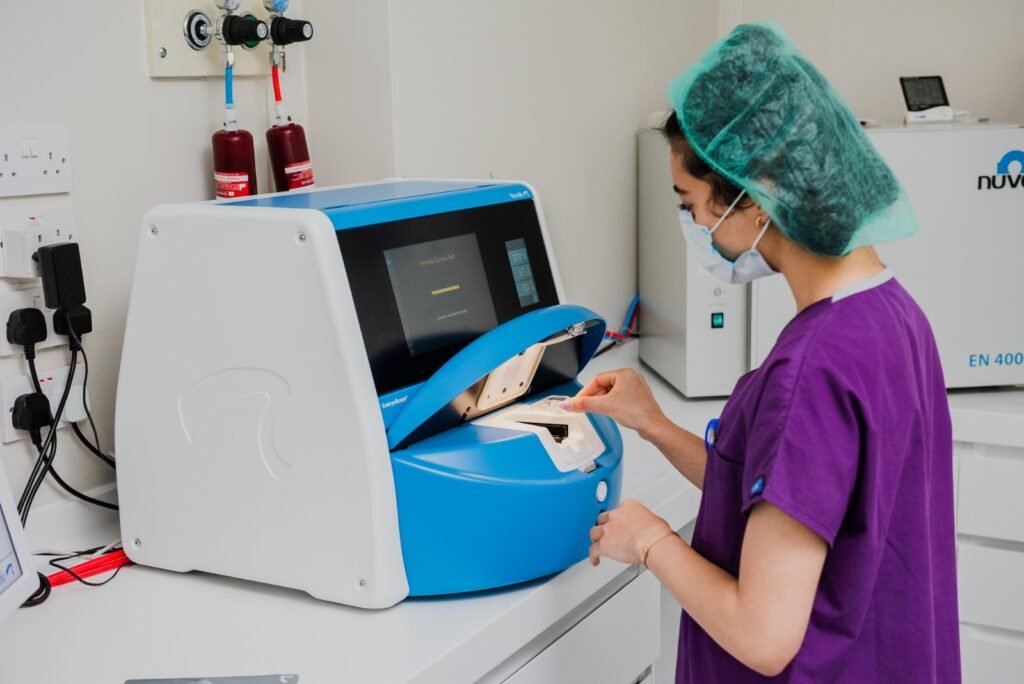
  • EmbryoScope+ for embryo development monitoring.
  • Chip ID specimen matching and security system.
  • Modern embryo vitrification methods.
  • Tailored uterine preparation program for the surrogate.
  • Ultrasound-guided embryo transfer.
  • Personalized evaluation of single embryo transfer.
  • Online preliminary medical consultation opportunity.
  • Personal patient coordinator support.
  • Multilingual patient counseling.
  • Regular follow-up before and after treatment.

VITA ALTERA IVF 24

Frequently Asked Questions About Surrogacy

What is surrogacy?+
Is surrogacy legal in Cyprus?+
Can a couple living in Turkey undergo surrogacy in Cyprus?+
Who can benefit from surrogacy?+
Can individuals who simply do not want to give birth use a surrogate?+
Can a woman without a uterus use her own eggs?+
Can surrogacy be done if the ovarian reserve is low?+
Can surrogacy be done with donor eggs?+
Is the surrogate the genetic mother of the baby?+
Does the surrogate's blood pass to the baby?+
How old should the surrogate be?+
Does the surrogate need to have given birth before?+
Can a family member be a surrogate?+
How is a surrogate found?+
Does the clinic guarantee finding a surrogate?+
What tests are performed on the surrogate candidate?+
Is embryo transfer to the surrogate painful?+
How many embryos are transferred to the surrogate?+
Can twin pregnancy occur in surrogacy?+
Is PGT performed in surrogacy?+
Can the surrogate change her mind during pregnancy?+
Can the surrogate decide on the mode of delivery?+
Is a surrogacy contract sufficient?+
Whose name appears on the baby's birth certificate?+
How is the baby's citizenship determined?+
What happens if the first embryo transfer fails?+
Does surrogacy guarantee pregnancy?+
How long does surrogacy take?+
Can the first consultation be done online?+
Which documents should be sent before coming to Cyprus?+
How can I learn about Cyprus surrogacy costs?+

VITA ALTERA IVF 25

Get Information About the Surrogacy Process in Cyprus

If you are evaluating the surrogacy option because you were born without a uterus, had your uterus surgically removed, or because pregnancy poses a serious risk to your health, your current medical reports can be reviewed by our doctors. Our patient coordinators will assist you in forwarding your medical documents for preliminary evaluation, determining the necessary tests, preparing a personalized IVF program, and coordinating the medical aspects of the official application process.

VITA ALTERA IVF CENTER

Here for you from first consultation through post-treatment follow-up.

Book an Initial Consultation
Vita Altera IVF merkezimizden fotoğraf