


Surgical Sperm Retrieval in Cyprus: PESA, MESA, and TESE
Surgical sperm retrieval methods are procedures aimed at obtaining sperm from the epididymis or testicular tissue in men who have no usable sperm cells in their semen or who are unable to provide a semen sample naturally. At Vita Altera IVF Center, PESA, MESA, TESE, and Micro-TESE options are evaluated on a personalized basis, guided by the cause of azoospermia, hormone results, genetic assessments, past surgeries, and the planned microinjection treatment.
What is Surgical Sperm Retrieval?
Surgical sperm retrieval is the process of obtaining sperm cells from the epididymis or testicular tissue when there are no sperm in the semen or when a usable sample cannot be obtained through ejaculation.
During the procedure, sperm cells can be taken from different parts of the reproductive or transport system. The method used depends on whether the azoospermia is due to a blockage in the sperm ducts or a problem with sperm production in the testes.When sperm is to be taken from the epididymis, PESA or MESA methods may be considered. When retrieval from the testis itself is needed, techniques such as TESA, TESE, or Micro-TESE can be used.The number and motility of sperm cells obtained surgically may differ from ejaculated sperm. Any viable and usable cells found are most often injected directly into mature eggs using the microinjection method.PESA, MESA, and TESE Procedures in Cyprus
The surgical sperm retrieval process in Cyprus consists of evaluating male infertility, determining the type of azoospermia, selecting the appropriate surgical method, searching for sperm cells in the laboratory, and planning the microinjection stage.
At Vita Altera IVF Center, existing semen analyses, hormone results, urological evaluations, genetic tests, and any previously attempted sperm retrieval procedures are reviewed before treatment.Whether the surgical procedure is scheduled on the same day as the egg retrieval or on a separate, earlier date is decided on a case-by-case basis. Retrieving and freezing sperm beforehand can help confirm that usable sperm is available before starting ovarian stimulation for the female partner.Patients coming from Turkey or other countries can share their medical reports before an online consultation. After the documents are reviewed, the necessary tests, the procedure method, and an estimated Cyprus treatment program can be prepared.Azoospermia Assessment
Semen analysis, hormone results, physical examination, and genetic findings are evaluated to distinguish between a blockage and a production problem.Choosing the Appropriate Method
The decision among PESA, MESA, TESE, or Micro-TESE is based on individual medical findings.Embryology Laboratory Support
The fluid or tissue samples taken are examined in the laboratory during the procedure to search for viable and usable sperm cells.What is Azoospermia?
Azoospermia is the absence of sperm cells in a properly examined semen sample. Azoospermia does not necessarily mean that no sperm are being produced in the testes.
In some men, sperm production continues normally, but sperm cells cannot reach the semen due to a congenital or acquired blockage. In others, sperm production in the testes is severely reduced or limited to specific small areas.Distinguishing between these two situations can influence the type of surgical sperm retrieval method used and the likelihood of finding sperm.Obstructive Azoospermia
A condition where sperm production is present, but sperm cells cannot reach the semen due to a blockage in the transport ducts.- Congenital absence of the sperm ducts
- Duct blockage after vasectomy
- Past infections or surgeries
- Epididymal or ejaculatory duct obstruction
- PESA, MESA, TESA, or TESE may be considered
Non-Obstructive Azoospermia
A condition where sperm production in the testes is significantly reduced, irregular, or continues only in small focal areas.- Genetic and chromosomal causes
- Past chemotherapy or radiotherapy
- History of undescended testis
- Testicular damage or severe production disorder
- Micro-TESE is most often considered
What is the Difference Between PESA, MESA, and TESE?
The main difference between these methods lies in whether the sperm cells are taken from the epididymis or directly from the testis, and which surgical technique is used.
PESA
A fine needle is passed through the skin to reach the epididymis, and fluid containing potentially viable sperm is aspirated. More commonly considered in azoospermia due to obstruction.MESA
A small incision is made to open the epididymis, and fluid is taken from appropriate ducts under an operating microscope. This is a microsurgical method.TESE
Small tissue samples are taken from the testis and examined in the laboratory for the presence of sperm cells. Can be applied in cases of obstruction and some production disorders.What is PESA?
PESA stands for Percutaneous Epididymal Sperm Aspiration. It involves inserting a fine needle through the skin into the epididymis to aspirate fluid that may contain sperm.
The epididymis is a coiled duct structure where sperm cells produced in the testis mature and are transported. In obstructive azoospermia, usable sperm cells may be found within the epididymis.During PESA, fluid can be taken from one or more areas using a needle, without a surgical incision. The sample is examined in the embryology laboratory at the same time.If a sufficient number of viable sperm are obtained, they can be used for microinjection on the same day or, based on laboratory evaluation, frozen and stored for later use.What is MESA?
MESA stands for Microsurgical Epididymal Sperm Aspiration. It involves reaching the epididymal ducts through a small surgical incision and with the aid of an operating microscope to collect fluid containing sperm.
Under the microscope, the epididymal ducts are evaluated in detail, aiming to collect fluid from an area with a high likelihood of containing sperm.MESA is most often used in cases of obstructive azoospermia where sperm production continues, such as after vasectomy or in some patients with congenital absence of the sperm ducts.If a suitable sample is obtained, sperm portions can be prepared for use in the current IVF treatment and stored for future therapies. The amount that can be obtained cannot be guaranteed beforehand.What is TESE?
TESE stands for Testicular Sperm Extraction. It is the process of taking one or more small samples of testicular tissue and examining them in the laboratory for the presence of sperm cells.
In TESE, a small incision is made in the tunica albuginea (the protective layer of the testis) to obtain a tissue sample. The sample is then processed in the embryology laboratory to dissect the seminiferous tubules and assess whether sperm are present.The procedure can be performed in cases of obstructive azoospermia or certain sperm production disorders. In non-obstructive azoospermia, Micro-TESE may be considered more appropriate than classic TESE.If sperm are found, the cells can be used for microinjection treatment. If a sufficient number and quality of viable cells are obtained, the remaining sperm or testicular tissue can be frozen and stored.What is Micro-TESE?
Micro-TESE is a microsurgical technique where testicular tissue is examined under an operating microscope to selectively sample seminiferous tubules that appear more likely to be producing sperm.
In non-obstructive azoospermia, sperm production may not be uniform throughout the testis. In many cases, sperm production continues only in very limited, small areas, while the surrounding tissue contains no sperm at all.The operating microscope helps the surgeon identify and select tubules that appear larger or different in appearance. The small tissue samples taken are examined in detail in the embryology laboratory during the procedure.It may be necessary to assess different regions of the testis in a controlled manner until sperm are found. Once sufficient samples are obtained, the procedure is concluded to minimize unnecessary tissue loss.The Difference Between Classic TESE and Micro-TESE
Classic TESE
Small testicular biopsies are taken from one or a few areas, and the samples are examined for sperm cells.- Performed under standard surgical visualization
- Limited testicular areas can be sampled
- Can be considered in obstruction-related azoospermia
- May be used in some production disorder cases
- Sperm presence is not guaranteed
Micro-TESE
The testicular tissue is evaluated under an operating microscope, and targeted samples are taken from tubules that appear likely to contain sperm.- Uses an operating microscope
- Allows for a more detailed search of the testicular tissue
- Preferred in non-obstructive azoospermia
- Aims for targeted tissue sampling
- Sperm presence is again not guaranteed
What is TESA?
TESA stands for Testicular Sperm Aspiration. It aims to obtain testicular tissue or cell samples using a needle inserted through the skin into the testis, with the application of negative pressure.
TESA is a percutaneous method that does not require a surgical incision. It is often considered in cases of obstructive azoospermia or when sperm cannot be retrieved from the epididymis.In non-obstructive azoospermia with severely impaired sperm production, the limited sample obtained via needle aspiration may not be sufficient. In such patients, Micro-TESE may be a more appropriate option.Who is Eligible for Surgical Sperm Retrieval?
The procedure can be planned for patients who are unable to produce sufficient and usable sperm via ejaculation, following a joint evaluation by urology, andrology, and IVF teams.
- Men with no sperm found in repeated semen analyses
- Patients with obstructive azoospermia due to blockage
- Patients with non-obstructive azoospermia due to production disorders
- Individuals with congenitally absent sperm ducts
- Men wishing to have children after a vasectomy
- Those with duct obstruction due to past infection or surgery
- Some patients unable to provide a sample due to ejaculation disorders
- Individuals with retrograde ejaculation where other methods have failed
- Patients with only extremely rare sperm in their semen
- Suitable patients who have had a previous TESE procedure without sperm retrieval
- Some individuals who developed azoospermia after chemotherapy or radiotherapy
- Couples planning to use surgically retrieved sperm for microinjection
Are There Other Options for Patients with Blockage?
In obstructive azoospermia, surgical sperm retrieval followed by microinjection is not the only option. For some patients, microsurgical reconstruction of the sperm ducts may be considered.
Surgical Sperm Retrieval
Sperm is taken from the epididymis or testis and used in IVF and microinjection treatment.Microsurgical Reconstruction
In suitable blockages, opening or reconnecting the sperm ducts may allow sperm to once again appear in the semen.Simultaneous Sperm Banking
Sperm can be retrieved during or before the duct repair and frozen for future assisted reproductive treatments.Personalized Decision
The final decision should be made considering the location of the blockage, the female partner’s age and ovarian reserve, treatment duration, and the couple’s preferences.Which Tests are Performed Before Surgical Sperm Retrieval?
The aim of the pre-procedure evaluation is to determine the cause of azoospermia, choose the sperm retrieval method, and avoid unnecessary surgical interventions.
Male Reproductive Health Assessments
- At least one, or if necessary, repeated semen analysis
- Search for rare sperm after centrifugation
- Urology or andrology physical examination
- Assessment of testicular volume and sperm ducts
- Essential hormone tests, including FSH and testosterone
- LH and prolactin tests when indicated
- Testicular or scrotal ultrasound
- Review of past surgery and treatment reports
Health and Pre-Procedure Tests
- Complete blood count
- Bleeding and clotting tests
- Infectious disease screenings
- Anesthesia suitability assessment
- Review of current medications and blood thinners
- Necessary biochemistry tests
- Specialist evaluation for chronic diseases
- Review of the planned IVF and microinjection program
Genetic Testing in Azoospermia
In some cases of azoospermia and severe oligospermia, genetic results can impact both the likelihood of successful sperm retrieval and the potential risks that could be passed on to the child.
Karyotype Analysis
Evaluates the number and major structural features of chromosomes. Can be used to investigate chromosomal conditions such as Klinefelter syndrome.Y Chromosome Microdeletion
Searches for deletions in Y chromosome regions associated with sperm production. The result may be significant for both sperm retrieval probability and genetic counseling.CFTR Testing
In cases of congenital absence of the sperm ducts or unexplained obstructive azoospermia, changes related to the CFTR gene may be evaluated.Genetic Counseling
The implications of genetic findings on the sperm retrieval procedure, microinjection, and potential inheritance risks are discussed with the couple.When is the Surgical Sperm Retrieval Procedure Performed?
The surgical sperm procedure can be planned for the same day as the egg retrieval or as a separate date before the IVF treatment.
Pre-emptive Sperm Retrieval
The surgical procedure is performed before the IVF treatment begins. If sperm are found, suitable cells are frozen and stored.- Allows confirmation of sperm presence before starting ovarian stimulation
- Planning can be done before the female partner’s treatment starts
- Suitable cells can be frozen and stored
- There is a possibility of viability loss after thawing
Procedure on Egg Retrieval Day
The surgical sperm retrieval and the female partner’s egg retrieval are performed within the same treatment cycle.- Fresh sperm can be used
- Requires coordination between urology and embryology teams
- An alternative plan for the eggs is necessary if no sperm are found
- Requires careful planning in non-obstructive azoospermia
How is the Surgical Sperm Retrieval Procedure Done in Cyprus?
The process consists of consecutive stages, from the initial urological evaluation to the discovery of sperm cells in the laboratory and their preparation for microinjection.
Evaluation of Medical History
Duration of infertility, childhood illnesses, undescended testis, surgeries, infections, vasectomy, medications, and cancer treatments are reviewed.Confirmation of Semen Analysis
Azoospermia or severe oligospermia is confirmed with a proper laboratory evaluation, and rare sperm cells are searched for.Urology and Hormone Assessment
Findings such as testicular volume, sperm ducts, FSH, and testosterone are used to differentiate between obstruction and production failure.Completion of Genetic Tests
Karyotype, Y chromosome microdeletion, or CFTR tests are planned for indicated patients.Determination of the Surgical Method
The appropriate method among PESA, MESA, TESA, TESE, or Micro-TESE is selected based on the cause of azoospermia.Anesthesia and Procedure Preparation
Depending on the scope of the procedure, local anesthesia, sedation, or general anesthesia may be planned. Instructions regarding fasting and medication use are given to the patient.Collection of Fluid or Tissue Sample
Aspiration is performed from the epididymis or small samples are taken from the testicular tissue, according to the chosen method.Laboratory Search for Sperm
The samples taken are processed in the embryology laboratory and examined under a microscope for viable sperm cells.Collection of Additional Samples if Needed
If no sperm are found in the first sample, obtaining additional samples from different areas using the selected surgical method may be considered.Preparation of Sperm Cells
Any viable sperm cells found are prepared in the laboratory for microinjection, and usable cells are identified.Fresh Use or Freezing
Sperm cells can be injected into mature eggs on the same day or, if a sufficient number and quality of cells are found, can be frozen.Post-Procedure Follow-up
The patient is given information regarding pain management, wound care, activity restrictions, and the follow-up appointment.How is Surgically Retrieved Sperm Used in Microinjection?
Because sperm cells obtained through surgical methods may be limited in number and have low motility, microinjection is the preferred method for fertilization.
Identification of Viable Sperm Cells
The laboratory team evaluates the sperm cells in the tissue or aspiration fluid for motility and viability.Preparation of Mature Eggs
Mature eggs obtained from the female partner or an appropriate egg source are prepared for microinjection.Selection of a Sperm Cell
For each mature egg, a viable sperm cell to be used is selected by the embryologist.Microinjection
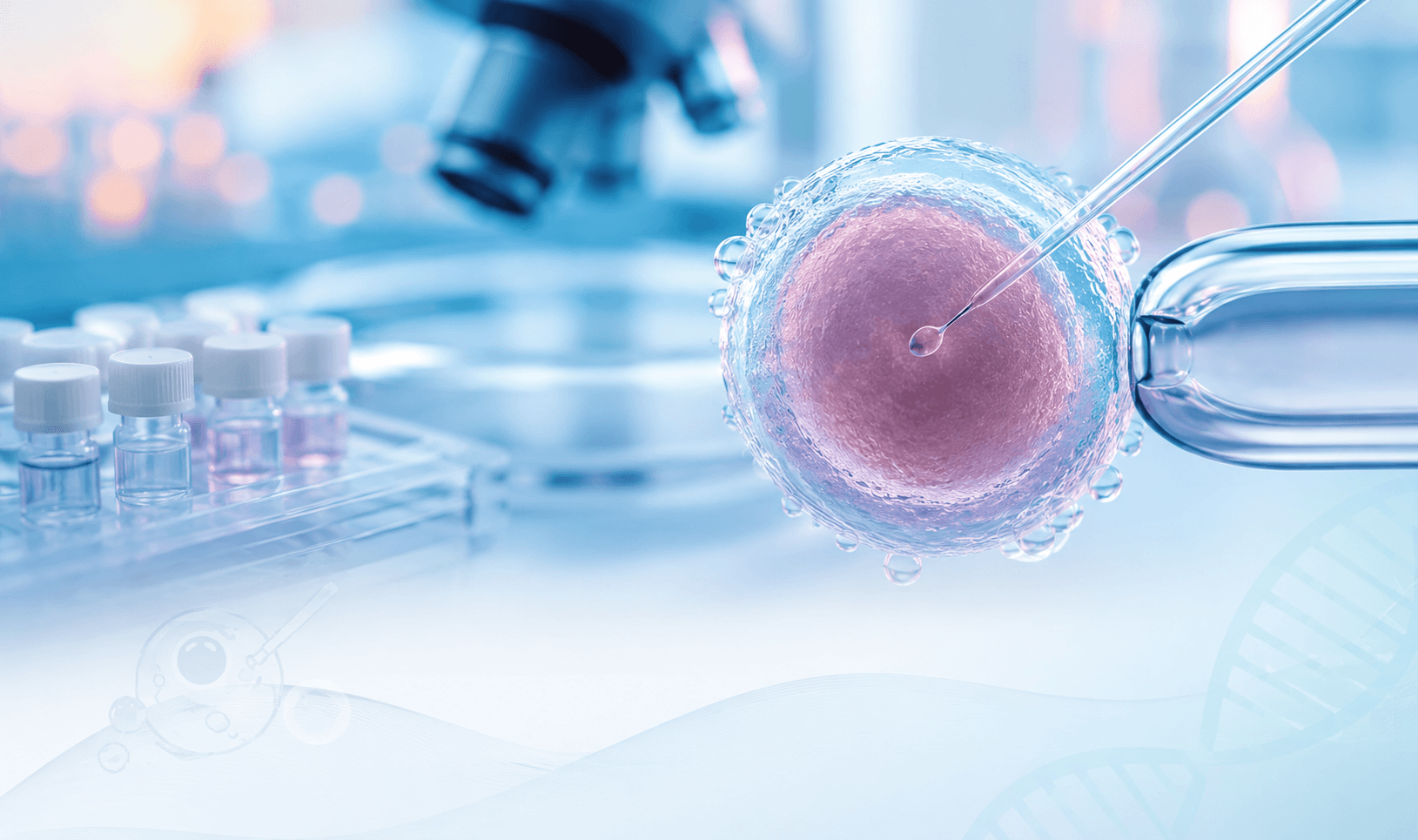
A single, selected sperm cell is injected directly into the mature egg using a very fine pipette.Fertilization Check
The day after the procedure, the eggs are assessed for signs of normal fertilization.Embryo Development and Transfer
The resulting embryos are monitored, and those showing suitable development are evaluated for transfer.Fresh and Frozen Surgically Retrieved Sperm
Sperm cells obtained surgically can be used fresh on the same day or, if considered suitable, can be frozen for future microinjection treatments.
Fresh Surgical Sperm
- Can be used on the day of egg retrieval
- Does not undergo the freeze-thaw process
- Requires simultaneous coordination between urology and embryology teams
- An alternative plan is needed in case no sperm are found
Frozen Surgical Sperm
- Sperm presence can be confirmed before the IVF treatment
- May reduce the need for another surgical procedure in the future
- Some cells may lose viability after thawing
- The decision to freeze very limited sperm should be made carefully
What Happens if No Sperm is Found?
Especially in non-obstructive azoospermia, it is possible that no sperm cells are found despite the most comprehensive surgical method.
If no sperm are found, the laboratory examination of the tissue taken is evaluated together with previous genetic and hormone results.If the egg retrieval was performed on the same day, options such as freezing the eggs, discontinuing the treatment, or implementing alternative plans previously discussed with the couple may be considered.The suitability of a new sperm retrieval attempt should be evaluated considering the previous surgical method, pathology results, the cause of the production failure, and the condition of the testicular tissue.What Should Be Considered After the Procedure?
The recovery time may vary depending on whether the method used was a needle aspiration, open biopsy, or microsurgery.
- Use painkillers and medications as prescribed by the doctor
- Keep the procedure area clean and dry
- Wear supportive underwear for the recommended period
- Avoid heavy lifting and intense exercise
- Refrain from sexual activity for the period specified by the doctor
- Restart blood-thinning medications only with the doctor’s approval
- Attend the follow-up appointment on time
- Contact the center if there is increasing swelling, intense bruising, or bleeding
- Consult the healthcare team in case of high fever or foul-smelling discharge
- Report severe and progressively worsening pain
Potential Risks and Complications
When performed by experienced teams, surgical sperm retrieval procedures are usually completed in a controlled manner; however, like any surgical intervention, they carry certain risks.
Pain and Tenderness
Temporary pain, tension, or tenderness in the testicular and scrotal area may occur after the procedure.Swelling and Bruising
Minor bleeding in the surgical area may cause temporary swelling or skin bruising.Bleeding or Hematoma
Rarely, blood may collect between tissues, requiring additional follow-up or treatment.Infection
The risk of infection in the procedure area is low; evaluation is needed in case of fever, discharge, or increased pain.Effect on Testicular Tissue
Taking multiple or large tissue samples may increase the risk of damage and scar formation in the testicular tissue.Hormonal Changes
Especially after extensive testicular surgeries, a temporary or permanent decrease in testosterone levels may be observed.Anesthesia Risks
If sedation or general anesthesia is administered, there are anesthesia-related risks depending on the individual’s health status.Failure to Find Sperm
The main limitation of the procedure is the inability to obtain usable sperm cells despite the surgical intervention.Factors Affecting the Outcome of Surgical Sperm Retrieval
The chance of finding sperm and the subsequent outcome of microinjection should be evaluated separately.
Type of Azoospermia
The likelihood of finding sperm differs between obstruction-related azoospermia and azoospermia due to production failure.Cause of Azoospermia
Genetic conditions, past treatments, undescended testis, and testicular damage can affect sperm production.Genetic Results
Karyotype and Y chromosome microdeletion results can provide important information regarding the probability of sperm retrieval.Hormone Levels
Hormones like FSH and testosterone give information about testicular function but do not show a definitive result on their own.Previous Surgical Procedures
The results of prior TESE or Micro-TESE procedures and the amount of tissue taken can affect a new procedure.Surgical Method
Choosing a method appropriate for the type of azoospermia can influence the likelihood of reaching areas containing sperm.Laboratory Experience
Processing tissue samples and searching for rare sperm cells requires an experienced embryology team.Egg Characteristics
Obtaining sperm alone does not guarantee pregnancy. The age, maturity, and quality of the egg affect fertilization and embryo development.Embryo and Uterine Factors
After fertilization, embryo development, uterine structure, and the transfer process are also important for achieving a pregnancy.PESA, MESA, and TESE Prices in Cyprus
The cost of surgical sperm retrieval in Cyprus can vary depending on the method used, the type of anesthesia, laboratory examination requirements, and the need for sperm freezing.
The cost of a needle-based procedure like PESA is not the same as a more comprehensive procedure like Micro-TESE, which requires an operating microscope and more extensive surgical equipment.The main factors that can affect the total cost include:- Urology or andrology consultation
- Semen analyses
- Hormone and general health tests
- Karyotype, Y microdeletion, or CFTR tests
- Performance of PESA, MESA, TESA, TESE, or Micro-TESE
- Local anesthesia, sedation, or general anesthesia
- Scope of the operating room and surgical team
- Embryology laboratory search for sperm
- Processing of the testicular tissue sample
- Freezing of sperm or testicular tissue
- Initial storage period
- Annual storage renewal fees
- Microinjection procedure performed on the same day if applicable
- Possible pathology examination
- Follow-up examinations and medications
Why Vita Altera IVF Center?
At Vita Altera, surgical sperm retrieval is approached not just as a sperm extraction surgery but as a holistic process that includes investigating the cause of azoospermia, selecting the appropriate surgical method, searching for sperm in the laboratory, and coordinating the microinjection treatment.
- Personalized male infertility evaluation
- Differentiation between obstructive and non-obstructive azoospermia
- Options for PESA, MESA, TESA, TESE, and Micro-TESE
- Coordinated work between urology and IVF teams
- Experienced embryology and laboratory team
- Simultaneous sperm search during the procedure
- Microinjection application using surgical sperm
- Planning for fresh or frozen sperm use
- Freezing and storage of suitable cells
- Chip ID sample matching and security system
- Personalized IVF and embryo transfer plan
- Genetic testing and counseling coordination
- Personal patient coordinator support
- Multilingual patient counseling
- Online preliminary consultation opportunity
- Regular follow-up before and after treatment