



Vita Altera IVF Center
Next-Generation Sequencing — NGS in Cyprus
Next-Generation Sequencing, abbreviated as NGS, is an advanced laboratory technology that enables the simultaneous examination of numerous genetic regions from limited DNA samples obtained from embryos created through IVF treatment. At the Vita Altera IVF Center, NGS genetic testing in Cyprus is personalized based on the couple’s age, genetic history, chromosomal carrier status, previous pregnancies, embryo count, and the type of PGT to be performed.
What is Next-Generation Sequencing — NGS?
Next-Generation Sequencing is a group of genetic laboratory technologies that allows for the simultaneous analysis of numerous DNA fragments.
NGS technology can be used in medicine for various purposes, such as investigating hereditary diseases, genetic variants, and chromosomal changes. One of its applications in IVF treatment is in preimplantation genetic tests performed on embryos.
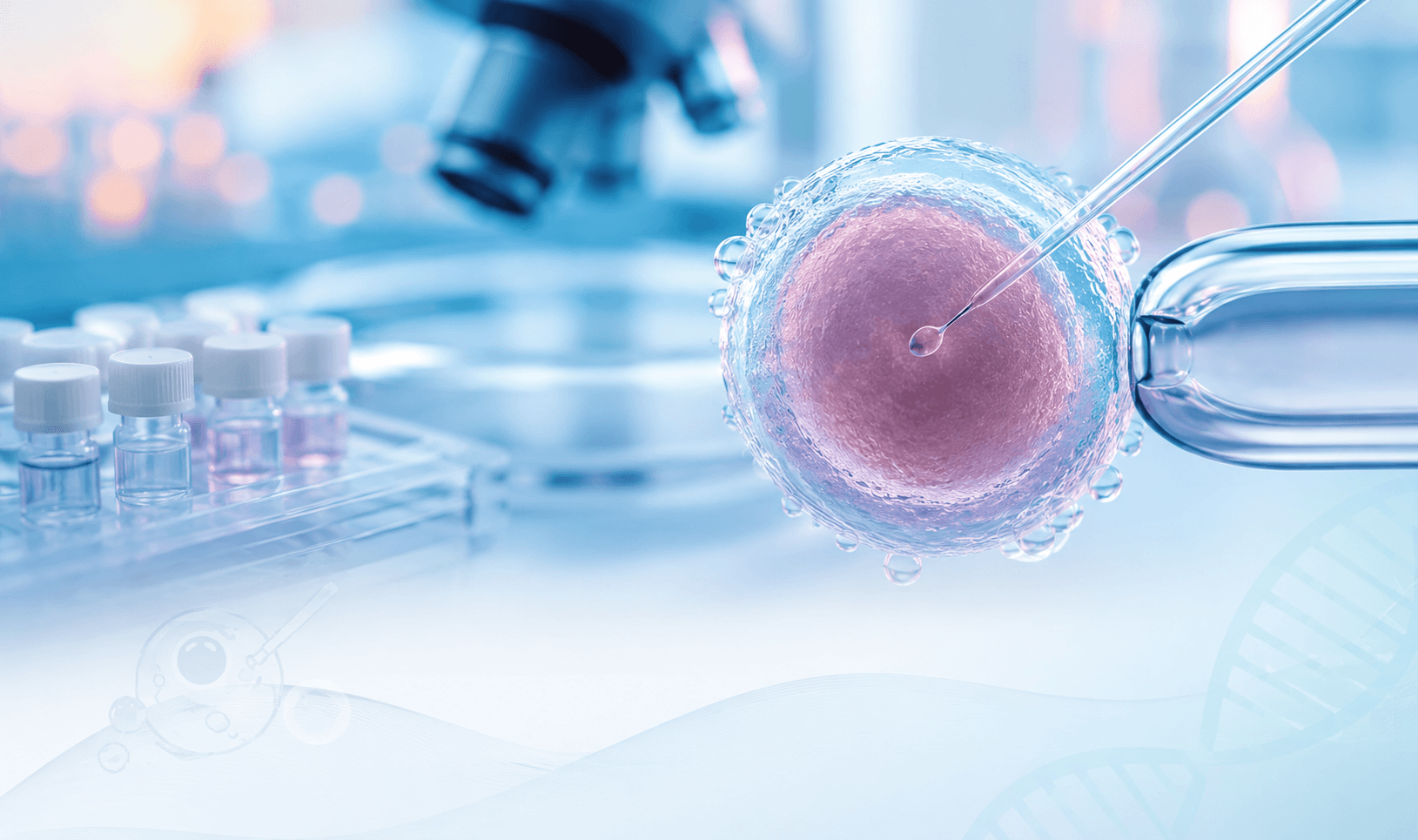
For embryo NGS analysis, embryos must first be created through IVF treatment. Once embryos reach a suitable developmental stage, a limited number of cells are biopsied, and the DNA within these cells is analyzed in a genetic laboratory.
Depending on the type of test performed, the analysis can investigate chromosome number abnormalities, specific structural chromosomal imbalances, or a predefined genetic variant known to be present in the family.
Is NGS a treatment method?No. NGS is not a procedure that treats the embryo or alters its genetic makeup. It is a genetic analysis technology that provides information about the DNA sample obtained from the embryo.
NGS Genetic Testing in Cyprus
NGS genetic testing in Cyprus is part of a multi-stage program that includes genetic counseling, IVF treatment, blastocyst development, embryo biopsy, DNA analysis, embryo freezing, and the transfer of frozen embryos based on the results.
At the Vita Altera IVF Center, before NGS is planned, the couple’s medical history, genetic tests, karyotype results, previous pregnancies, miscarriage history, and embryology reports from prior IVF treatments are evaluated.
For patients planning PGT-M or PGT-SR, the genetic laboratory may need to prepare before the treatment begins. This may involve documenting the known genetic variant, reviewing chromosome analyses, or requesting DNA samples from family members.
Patients coming from Turkey or other countries can share their existing genetic and IVF reports before the online consultation. After reviewing the documents, the necessary tests, laboratory preparation, and the estimated treatment program in Cyprus can be outlined.
Genetic Pre-Evaluation
Personal and family medical history, chromosome analyses, and existing genetic reports are reviewed before treatment.
Embryo Biopsy and NGS
Cell samples taken from suitable blastocysts are analyzed using NGS or an appropriate genetic analysis method according to the planned PGT type.
Personalized Embryo Transfer
Genetic results, embryo development, and endometrial preparation are evaluated together to create the transfer plan.
What is the Difference Between NGS and PGT?
NGS is a genetic analysis technology. PGT, on the other hand, is a group of clinical tests that refer to the examination of embryos for specific genetic or chromosomal conditions before they are transferred to the uterus.
NGS
Next-Generation Sequencing is a laboratory platform that allows the simultaneous reading of numerous DNA fragments and their analysis using computer-assisted methods.
- Refers to the genetic analysis technology
- Can be used in different disease and testing areas
- The scope of results varies depending on the test applied
- Alone, it does not specify which disease is being investigated
- Requires bioinformatics evaluation
PGT
Preimplantation Genetic Testing is the general term for examining IVF embryos for specific chromosomal or genetic conditions.
- Encompasses PGT-A, PGT-M, and PGT-SR types
- Requires embryo creation and biopsy
- NGS or different methods can be used for the analysis
- Results are interpreted with genetic counseling
- Does not treat or alter the embryo
Is every PGT test performed with NGS?No. While NGS can be used in many PGT-A and PGT-SR applications, tests like PGT-M, which are personalized, may require PCR, linkage analysis, SNP-based methods, or other molecular technologies.
What Does Embryo NGS Testing Examine?
The genetic conditions that can be examined with NGS vary depending on the test panel used, the laboratory method, DNA preparation, and the clinical purpose.
Chromosome Number Abnormalities
Within the scope of PGT-A, copy number variations indicating missing or extra chromosomes in embryos can be assessed.
Structural Chromosomal Imbalances
Within the scope of PGT-SR, specific unbalanced chromosomal structures associated with translocation or inversion carrier status can be investigated.
Specific Single-Gene Disorders
Within the scope of PGT-M, predefined genetic variants in the family can be examined following personalized test preparation.
Does NGS show the entire DNA of the embryo and all its diseases?No. Routine embryo genetic tests only evaluate chromosomal or genetic changes within the scope of the planned analysis. They do not show all genes, congenital anomalies, developmental issues, or all diseases that may appear later in life.
NGS with PGT-A
PGT-A with NGS is an analytical approach aimed at evaluating chromosome copy numbers in DNA samples obtained from embryo biopsies.
In PGT-A, the DNA sample is first amplified, and then numerous DNA fragments can be analyzed using a low-pass sequencing method. The amount of DNA corresponding to each chromosome is compared to investigate signals for missing or extra chromosomes.
As a result, embryos can be reported in categories such as euploid, aneuploid, mosaic, or no result. Reporting terms and thresholds may vary depending on the platform used.
PGT-A is essentially a screening test that evaluates the numerical status of chromosomes. It is not a comprehensive genomic diagnostic test that examines the entire gene sequence of the embryo in detail.
Is PGT-A necessary for every IVF patient?No. It has not been definitively proven that routine PGT-A application for all IVF patients increases the overall chance of live birth. The decision should be made by evaluating age, embryo number, ovarian reserve, previous pregnancies, and personal treatment goals together.
NGS with PGT-M
PGT-M is applied to assess the risk of transmitting a specific monogenic disease or disease-associated genetic variant previously identified in the family to the embryos.
PGT-M is not a standard general NGS screening. The genetic variant to be investigated must be previously documented, and the genetic laboratory may need to prepare a family-specific test.
During test preparation, in addition to the relevant gene region, DNA markers close to the genetic variant may also be examined. This approach can help in more reliably evaluating the genetic result in the embryo.
While some PGT-M programs may use NGS-based methods, others may require PCR, linkage analysis, or a combination of different molecular techniques depending on the case.
Can a standard NGS panel investigate all hereditary diseases?No. In PGT-M, the specific genetic disease to be investigated must be determined before treatment. If the genetic variant associated with the disease in the family is unknown, additional genetic evaluations may be necessary.
NGS with PGT-SR
PGT-SR helps identify embryos with imbalances related to translocations, inversions, or other chromosomal structural rearrangements present in one of the partners.
Individuals who are balanced carriers of chromosomal rearrangements may not have apparent health issues. However, during the formation of egg or sperm cells, there is a risk of genetic material being transmitted to the embryo in a missing or extra form.
NGS-based copy number analysis can be used to assess specific chromosomal losses or gains that may result from the structural rearrangement.
The technique used must be capable of detecting all expected unbalanced chromosomal outcomes. Some analytical methods may not be able to distinguish between an embryo with a normal chromosome structure and one that is a balanced carrier.
Why is a karyotype report necessary for PGT-SR?The karyotype report shows which chromosomes and regions are affected by the structural change. The genetic laboratory must pre-evaluate whether NGS or an appropriate analysis method can detect the imbalances that may arise from this change.
Who Can Be Considered for NGS Genetic Testing?
There is no single standard patient group universally applicable for the use of NGS in IVF treatment. Suitability is determined based on the genetic condition to be investigated and the treatment goal.
- Couples with a known single-gene disorder
- Individuals who are carriers of chromosomal translocations or inversions
- People with a family history of serious hereditary diseases
- Couples who have had a previous pregnancy with a chromosomal or genetic issue
- Suitable patients experiencing recurrent pregnancy loss due to chromosomal factors
- Some patients of advanced reproductive age with a sufficient number of blastocysts
- Couples with multiple embryos planning transfer prioritization
- Those for whom personalized genetic test preparation for PGT-M or PGT-SR is completed
- Patients deemed suitable jointly by a genetic specialist and an IVF doctor
Can NGS and PGT be performed without infertility issues?Yes. Even if some couples can achieve pregnancy naturally, they may consider IVF, embryo biopsy, and a personalized PGT program due to the risk of transmitting a serious genetic disease.
For Whom is NGS Not Routinely Recommended?
While NGS is an advanced technology, it should not be assumed that a seemingly more advanced or comprehensive test will provide additional clinical benefit for every patient.
- Those seeking testing solely with the expectation of a pregnancy guarantee
- Patients for whom the purpose and scope of the test have not been determined
- Some couples with a very limited number of embryos available for biopsy
- Those who believe that a PGT-A result will show all genetic diseases
- Those who wish to make definitive decisions based on mosaic results without genetic counseling
- Those applying solely for routine personal trait or gender preference purposes
- Individuals unwilling to accept the possible results and limitations of the test
Why should careful decisions be made for patients with few embryos?Not every fertilized egg may reach the blastocyst or biopsy stage. It is also possible that no embryo with a suitable result for transfer is found after testing. Therefore, biopsy, test costs, and the overall treatment potential should be evaluated together.
Genetic Counseling Before NGS
Genetic counseling ensures that the couple correctly understands what the test to be applied can show, what it cannot show, and how possible results will be interpreted.
Determining the test purpose
It is determined whether the investigation will focus on chromosome number, structural chromosome changes, or a specific genetic disease.
Explaining the inheritance risk
The inheritance pattern—whether autosomal recessive, autosomal dominant, X-linked, or another form—is evaluated.
Discussing possible outcomes
Possibilities such as euploid, aneuploid, mosaic, affected, carrier, or no result embryos are shared with the couple.
Alternative options
Information can be provided on suitable alternatives such as prenatal diagnosis, IVF without testing, natural conception, or donation.
Is the NGS result alone sufficient for the transfer decision?The genetic result should be evaluated together with the embryo’s developmental characteristics, the mother’s health status, endometrial preparation, and the results of other embryos. Genetic counseling is particularly important for mosaic or inconclusive results.
Which Tests Are Performed Before NGS and Embryo Genetic Testing?
The tests requested may vary depending on which PGT program the NGS will be used for and the couple’s reproductive health.
Genetic Evaluations
- Genetic specialist consultation
- Genetic reports of the prospective mother and father
- Karyotype (chromosome analysis)
- Molecular test result for the known genetic variant
- Carrier screening tests
- Genetic reports from previous pregnancies or children
- DNA samples from family members if necessary
- PGT laboratory preparatory assessment
IVF Evaluations
- Gynecological examination and ultrasound
- AMH and necessary hormone tests
- Antral follicle count
- Semen analysis
- Infectious disease screenings
- Evaluation of the uterus and endometrium
- General health and pregnancy suitability tests
- Previous IVF and embryology reports
Do existing genetic tests need to be repeated?The scope of the test, the age of the report, the method used, and the classification of the genetic variant are evaluated. If information is missing or needs verification, new samples or additional genetic tests may be requested.
How is NGS Genetic Testing Performed in Cyprus?
The embryo NGS process consists of sequential stages, from genetic preparation and IVF treatment to embryo biopsy and the evaluation of results.
Initial Consultation and Medical History
The couple’s age, medical history, previous pregnancies, IVF outcomes, and genetic reports are evaluated.
Genetic Counseling
The genetic condition to be investigated, the type of PGT to be applied, inheritance risk, and the limitations of the test are explained.
Laboratory Preparatory Work
For PGT-M or PGT-SR, the genetic laboratory reviews existing reports and completes any necessary personalized test preparations.
Controlled Ovarian Stimulation
To obtain multiple eggs, the prospective mother is given hormonal medications appropriate for her age and ovarian reserve.
Monitoring Follicle Development
The ovaries’ response to the medications is monitored via ultrasound and necessary blood tests.
Egg Retrieval
Eggs that have reached appropriate development are collected through an ultrasound-guided egg retrieval procedure.
Intracytoplasmic Sperm Injection (ICSI)
Suitable sperm cells are injected into mature eggs to create embryos. The fertilization method used is determined by the individual treatment plan.
Monitoring Embryos to Blastocyst Stage
Embryos developed from fertilized eggs are monitored in the laboratory for several days.
Embryo Biopsy
A limited number of cells are taken from the outer cell layer (trophectoderm) of the blastocyst that has shown suitable development for genetic analysis.
Embryo Vitrification
After the biopsy, the embryo is frozen using the vitrification method and stored until the genetic test results are completed.
DNA Amplification
Since the biopsy sample contains a limited amount of DNA, the genetic material is amplified in the laboratory to a level suitable for analysis.
Next-Generation Sequencing
The prepared DNA fragments are simultaneously read on the NGS platform and converted into digital data for analysis.
Bioinformatics Analysis
The obtained data is evaluated for chromosomal copy numbers or specific genetic regions, depending on the purpose of the test.
Preparation of the Genetic Report
The results for each embryo are classified according to the laboratory’s validated reporting system.
Evaluation of Results
Genetic results are evaluated together with embryo development information by the doctor, genetic specialist, and embryology team.
Frozen Embryo Transfer
The embryo found suitable for transfer within the scope of the test is thawed and transferred after the prospective mother’s uterus is prepared.
How is Embryo Biopsy Performed?
Embryo biopsy is a delicate laboratory procedure that enables the removal of a limited number of cells from the appropriate cell layer of the embryo for genetic analysis.
The biopsy is typically performed when the embryo reaches the blastocyst stage, usually on the fifth, sixth, or, in suitable cases, the seventh day.
The cell sample is taken from the outer cell layer (trophectoderm), which will contribute to the future placenta. The aim is to avoid direct intervention on the inner cell mass, which will form the baby.
The biopsied cells are transferred to a special tube and sent to the genetic laboratory. The embryo is frozen and stored until the results are ready.
Is embryo biopsy completely risk-free?No. While experienced embryologists and appropriate laboratory conditions can minimize risk, it cannot be said that biopsy, freezing, and thawing procedures carry no risk for the embryo.
DNA Amplification and Bioinformatics Analysis
Since an embryo biopsy contains only a few cells, the DNA must be amplified using laboratory methods before genetic analysis.
DNA amplification ensures that the genetic material from the embryo sample reaches a quantity analyzable by the NGS instrument.
Following sequencing, the large amount of short DNA data generated is compared to a reference genome and validated laboratory models using computer software.
In PGT-A analysis, differences in the amount of DNA corresponding to each chromosome are evaluated to calculate possible copy number variations.
Is the bioinformatics result a definitive genetic diagnosis?The result is based on the DNA obtained from a limited number of biopsied cells and the analytical model used. Due to embryo mosaicism, DNA amplification variations, and technical limitations, there is no 100% accuracy guarantee.
How are NGS Results Interpreted?
The NGS result can be classified using different terms depending on the type of PGT applied and the laboratory’s validated reporting criteria.
Euploid Result
Indicates that the chromosome copy numbers examined within the scope of PGT-A were found to be consistent with a normal result.
Aneuploid Result
Indicates that a signal was detected suggesting one or more chromosomes are missing or extra.
Mosaic Result
Refers to an intermediate result suggesting the presence of cell groups with different chromosomal compositions in the biopsy sample.
Segmental Change
May indicate a signal of loss or gain in a specific part of a chromosome, rather than the entire chromosome.
No Result
Indicates that an interpretable result could not be obtained due to insufficient DNA, sample quality issues, or technical reasons.
PGT-M Result
The embryo can be reported as affected, unaffected, or a carrier for the genetic variant being investigated.
Does a euploid embryo mean a healthy embryo?A euploid result only indicates that a suitable result was obtained for the tested cells and chromosome numbers within the scope of the analysis. The embryo’s entire gene set, all congenital diseases, or its future health status have not been evaluated.
What Does a Mosaic Embryo Result Mean?
A mosaic result suggests that signals from both normal and chromosomally altered cells are present together in the biopsy sample.
Since the embryo biopsy is taken from only a small part of the embryo, the reported cell distribution may not perfectly represent the entire embryo.
The implantation and ongoing pregnancy potential of mosaic embryos may be lower than that of euploid embryos. However, some mosaic embryo transfers can result in healthy live births.
The transfer decision should be made based on the affected chromosome, whether it is a segmental or full chromosome change, the laboratory’s reporting criteria, the availability of other embryos, and the couple’s preferences.
Can a mosaic embryo be transferred?In some cases where no euploid embryos are available, mosaic embryo transfer may be considered following genetic counseling. Before transfer, the uncertainty of the result, pregnancy potential, and prenatal diagnosis options should be explained in detail.
What is Done for an Embryo with No Result?
In some biopsy samples, an interpretable NGS result may not be obtained due to limited DNA, cell loss, DNA amplification issues, or technical reasons.
A no-result outcome does not indicate that the embryo is genetically normal or abnormal. The embryo’s genetic status could not be determined within the scope of the test.
Options such as re-biopsy, transfer without a genetic result, or continued storage may be discussed, taking into account the embryo’s developmental characteristics, the number of available embryos, and the biopsy history.
Is a re-biopsy risk-free?A re-biopsy may require thawing the embryo, taking cells again, and re-freezing it. The potential effects of additional procedures should be weighed against the expected benefit of obtaining a new result.
Difference Between NGS, aCGH, and FISH
Different chromosome analysis methods have been used over time in embryo genetic testing. Each method has different resolution, scope, and technical limitations.
FISH
An older method that evaluates a limited number of specific chromosome regions using fluorescent probes. It cannot examine all chromosomes with the same scope.
aCGH
A microarray method that aims to comprehensively evaluate chromosomal losses and gains by comparing embryo DNA with reference DNA.
NGS
Enables chromosomal copy number analysis through parallel sequencing of numerous DNA fragments and bioinformatics evaluation.
Is NGS superior to other methods in all cases?The appropriate method depends on the genetic change being investigated, the laboratory’s validated testing system, and the required resolution. No single technology is the best method for all genetic situations.
Embryo Transfer After NGS
Once genetic analysis is complete, the embryo deemed suitable for transfer can be used in a frozen embryo transfer program when the prospective mother’s uterus is prepared.
Evaluation of Genetic Results
NGS reports are reviewed together by the genetic specialist, doctor, and embryology team.
Prioritization of Embryos
If multiple suitable embryos are available, genetic results and embryo developmental characteristics are evaluated together.
Endometrial Preparation
The endometrial lining is prepared for transfer either through a natural cycle or with medications containing estrogen and progesterone.
Embryo Thawing
The embryo to be transferred is thawed in a controlled manner in the laboratory, and its viability is assessed.
Embryo Transfer
The viable embryo is transferred into the prospective mother’s uterus using a thin catheter.
Pregnancy and Prenatal Follow-up
If pregnancy occurs, standard pregnancy check-ups and appropriate prenatal screening or diagnostic tests are further evaluated.
Does NGS Replace Genetic Tests Performed During Pregnancy?
Embryo NGS testing is the examination of a limited cell sample taken from the embryo before pregnancy for specific genetic conditions. It does not replace all screening and diagnostic tests performed during pregnancy.
In pregnancies achieved following PGT and NGS results, routine ultrasound examinations, age-appropriate screening tests, and necessary pregnancy evaluations continue.
After PGT-M or PGT-SR, prenatal diagnostic options such as chorionic villus sampling or amniocentesis for result confirmation may be discussed with a genetic specialist.
Is NIPT the same as NGS?NGS is a laboratory technology used in various tests. NIPT, on the other hand, is a pregnancy screening test that evaluates cell-free placental DNA fragments in maternal blood for specific chromosomal conditions.
Is Gender Determination Performed with NGS?
Information regarding the X and Y chromosomes may technically emerge during PGT-A or some genetic analyses. However, the use of this information for embryo selection is evaluated within the framework of medical, ethical, and legal rules.
In cases where serious hereditary diseases linked to the X chromosome, such as hemophilia or Duchenne muscular dystrophy, are present in the family, sex chromosomes may be significant in terms of disease transmission risk.
In such programs, the primary purpose is not personal gender preference but evaluating the risk of transmitting a serious genetic disease.
Should not be offered as routine sex selectionApplications related to sex chromosomes should be handled in accordance with the doctor’s medical evaluation, genetic counseling, ethical principles, and current legal regulations.
Factors Affecting NGS and PGT Results
The applicability of embryo genetic testing and the outcome of the treatment resulting in pregnancy are different stages. The result is influenced by many biological and technical factors.
Maternal age
Age can affect the number of eggs obtainable and the likelihood of chromosomal changes in embryos.
Ovarian reserve
The number of eggs and embryos reaching the biopsy stage can affect treatment options.
Sperm characteristics
Sperm count, motility, morphology, and genetic integrity can affect fertilization and embryo development.
Blastocyst development
Not all fertilized eggs may reach the blastocyst stage suitable for biopsy.
Biopsy quality
Obtaining a sufficient and suitable cell sample is crucial for DNA analysis and obtaining an interpretable result.
DNA amplification quality
The balanced amplification of genetic material from limited cells can affect analysis accuracy.
NGS platform
The resolution of the test, validation studies, and reporting thresholds may vary depending on the laboratory system.
Embryo mosaicism
The chromosomal composition of cells in the biopsy sample may not always represent all cells in the embryo.
Uterus and transfer process
Finding a genetically suitable embryo does not negate the importance of uterine structure, transfer timing, and other pregnancy factors.
Does NGS guarantee pregnancy?No. NGS can provide specific genetic information about embryos, but it does not guarantee the formation of suitable embryos, their survival after thawing, implantation in the uterus, or live birth.
Risks and Limitations of NGS
Next-Generation Sequencing is an advanced genetic analysis technology; however, there are limitations associated with embryo biopsy, DNA analysis, and result interpretation.
No embryos reaching biopsy
Not all collected eggs may fertilize, and the resulting embryos may not reach the blastocyst stage.
No suitable result for transfer
All tested embryos may show results that are not suitable for the genetic condition being investigated.
No result obtained
Interpretable results may not be obtained from some biopsies due to insufficient DNA, amplification issues, or technical reasons.
Mosaic or inconclusive results
The limited cell sample may not perfectly represent the entire embryo, and intermediate results may occur.
Diseases not examined
NGS analysis only provides information about the genetic or chromosomal conditions within the scope of the planned test.
Biopsy and freezing procedures
Embryo biopsy, vitrification, and thawing processes carry a risk, albeit low, of affecting the embryo.
Possibility of misclassification
No genetic test provides a 100% accuracy guarantee. Biological and technical factors can affect the result.
No guarantee of pregnancy
Transfer of an embryo with a suitable result within the test scope does not guarantee pregnancy or a healthy birth.
Does NGS improve the embryo?No. The test does not alter the embryo’s chromosomes or genes. Its purpose is to provide information about specific genetic characteristics in the cells taken from the embryo.
Potential Advantages of NGS Genetic Testing
The potential benefits of NGS vary depending on the genetic condition being investigated, the number of available embryos, and the patient’s individual treatment characteristics.
Comprehensive chromosome assessment
Can help comprehensively assess chromosome copy numbers within the scope of PGT-A.
Parallel analysis of multiple embryos
DNA samples from different embryos can be analyzed in the same laboratory program.
Support for embryo ranking
In some patients with multiple blastocysts, genetic results can help determine transfer priority.
Evaluation of genetic disease risk
In a suitable personalized PGT-M program, the transmission risk of a specific known familial disease can be investigated.
Structural chromosome carrier status
Can help identify unbalanced chromosomal outcomes associated with translocations or inversions within the scope of PGT-SR.
Planning single embryo transfer
Evaluation of embryos with suitable results, along with their developmental characteristics, can support the decision for a single embryo transfer.
NGS Test Prices in Cyprus
NGS test prices in Cyprus may vary depending on the type of PGT to be applied, the number of embryos to be biopsied, personalized genetic preparation, and the scope of the IVF treatment.
Embryo NGS testing does not consist solely of the sequencing fee. The treatment may include different procedures such as IVF, intracytoplasmic sperm injection (ICSI), blastocyst culture, embryo biopsy, genetic analysis, embryo freezing, and frozen embryo transfer.
Key factors that may affect the total cost include:
- Application of PGT-A, PGT-M, or PGT-SR
- Genetic counseling and preliminary assessment
- Personalized PGT-M preparation
- Additional DNA sample collection from family members
- IVF treatment and hormonal medications
- Egg retrieval and anesthesia
- Intracytoplasmic sperm injection (ICSI) procedure
- Monitoring embryos to the blastocyst stage
- Embryo biopsy
- Number of embryos to be tested
- DNA amplification and NGS analysis
- Embryo vitrification and storage
- Need for re-biopsy of embryos with no result
- Frozen embryo transfer
- Endometrial preparation and medications before transfer
What details should be asked when comparing prices?When comparing NGS prices, it should be evaluated whether the IVF treatment, embryo biopsy, genetic analysis, embryo freezing, storage, and frozen embryo transfer are included in the stated price.
Current treatment scope and price information will be shared in detail by our patient coordinators after reviewing your genetic reports and previous IVF results.
Why Vita Altera IVF Center?
At Vita Altera, NGS is not viewed merely as sending samples to a genetic laboratory but as a holistic process encompassing correct patient selection, genetic counseling, blastocyst development, safe biopsy, embryo storage, and personalized transfer.
- Personalized NGS and PGT planning
- PGT-A, PGT-M, and PGT-SR evaluation
- Review of genetic reports before treatment
- Genetic counseling and laboratory coordination
- Experienced obstetricians and gynecologists
- Experienced embryology and laboratory team
- Blastocyst culture and embryo biopsy
- Coordination with advanced NGS laboratories
- EmbryoScope+ for embryo development monitoring
- Chip ID for sample matching and security system
- Modern embryo vitrification methods
- Personalized frozen embryo transfer
- Counseling for mosaic and inconclusive results
- Personal patient coordinator support
- Multilingual patient counseling
- Online preliminary consultation opportunity
- Regular follow-up before and after treatment
Advanced technology does not guarantee successNGS and embryo monitoring technologies can support treatment planning. However, embryo formation, genetic results, post-thaw viability, implantation, pregnancy, and live birth depend on many biological and personal factors.
Frequently Asked Questions About Next-Generation Sequencing — NGS
What is NGS?
NGS is the general name for Next-Generation Sequencing technologies that enable the simultaneous reading of numerous DNA fragments and their analysis using computer-assisted methods.
Is NGS the same as genetic diagnosis?
NGS is an analysis technology. Genetic diagnosis or PGT is the test process arranged according to the disease being investigated and the clinical purpose. The same NGS technology can be used in different genetic tests.
Is NGS the same as PGT-A?
No. PGT-A is the test that evaluates chromosome number abnormalities in embryos. NGS is one of the laboratory technologies that can be used in PGT-A analysis.
Can PGT-M be performed with NGS?
NGS-based methods can be used in some PGT-M programs. However, depending on the genetic variant in the family, PCR, linkage analysis, or other molecular methods may also be required.
Can PGT-SR be performed with NGS?
Suitable and validated NGS methods can be used to evaluate specific unbalanced chromosomal outcomes associated with translocations or inversions.
Does NGS examine the entire DNA of the embryo?
In routine PGT-A applications, chromosome copy numbers are usually evaluated using low-pass DNA sequencing. The embryo’s entire gene set is not examined in detail for all diseases.
Does NGS show all genetic diseases?
No. The test only evaluates the chromosomal or genetic conditions within the scope of the planned analysis. It does not show all diseases, congenital anomalies, or future health issues.
Is IVF treatment required for NGS?
To apply NGS-based PGT to embryos, eggs must be collected, fertilized in the laboratory, embryos created, and a biopsy performed.
Can NGS be performed on every embryo?
No. The embryo must reach a suitable developmental stage for biopsy. Not every fertilized egg may reach the blastocyst or biopsy stage.
On which day is embryo biopsy performed?
The biopsy is usually performed on the fifth, sixth, or, in suitable cases, seventh day when the embryo reaches the blastocyst stage.
Does biopsy harm the embryo?
A limited number of cells are taken from the embryo’s outer cell layer by an experienced team. The risk may be low; however, it cannot be said that biopsy and subsequent freeze-thaw procedures are completely risk-free.
Why is the embryo frozen after biopsy?
Since genetic analysis and reporting take time, the embryo is stored via vitrification after biopsy. It is transferred in a subsequent cycle when the appropriate result is available.
How many days does it take to get NGS results?
The time for results may vary depending on the type of test, the number of embryos, the laboratory program, and whether personalized preparation like PGT-M is required.
Could there be no suitable embryos as a result of NGS?
Yes. All biopsied embryos may show results that are not suitable for transfer regarding the chromosomal or genetic condition being investigated.
What does a euploid embryo mean?
A euploid result indicates that the chromosome copy numbers in the cells examined within the scope of PGT-A were found to be consistent with a normal result.
Is a euploid embryo a healthy embryo?
A euploid result only provides information about the chromosome numbers within the scope of the test. It does not guarantee that all genetic and health characteristics of the embryo are normal.
Does a euploid embryo definitely implant?
No. Uterine structure, other biological characteristics of the embryo, transfer timing, and the mother’s general health can affect the pregnancy outcome.
What is a mosaic embryo?
A mosaic result suggests that signals from cells with different chromosomal characteristics are present together in the biopsy sample. The result should be evaluated with specialized genetic counseling.
Can a mosaic embryo be transferred?
In some cases where no euploid embryos are available, mosaic embryo transfer may be considered following genetic counseling. Pregnancy and prenatal diagnosis options should be discussed in detail.
What does a segmental change mean?
A segmental change indicates a signal of DNA loss or gain in a specific part of a chromosome, rather than the entire chromosome. The result may require validation and genetic counseling.
Is it possible for an NGS result not to be available?
Yes. An interpretable result may not be obtained due to limited DNA, cell loss, DNA amplification issues, or technical reasons.
Can a re-biopsy be performed on an embryo with no result?
In some cases, a re-biopsy may be considered. The potential effects of thawing the embryo again, performing a biopsy, and refreezing should be discussed with the couple.
Can NGS give incorrect results?
No genetic test provides a 100% accuracy guarantee. Limited cell samples, embryo mosaicism, DNA amplification, and technical factors can affect the result.
Does NGS completely eliminate the risk of miscarriage?
No. It may help prevent some pregnancy losses caused by specific chromosomal factors; however, pregnancy loss can also have uterine, hormonal, infectious, and other biological causes.
Does NGS guarantee pregnancy?
No. Finding an embryo with a suitable NGS result does not guarantee implantation, clinical pregnancy, continuation of pregnancy, or live birth.
Is amniocentesis necessary in pregnancies achieved with NGS?
Especially after PGT-M or PGT-SR, prenatal diagnosis options should be discussed with a genetic specialist and obstetrician. The decision is made based on individual risk and the type of test.
Is gender learned through NGS?
Information regarding sex chromosomes may emerge in some analyses. The sharing or use of this information is evaluated according to medical necessity, ethical principles, and current regulations.
Can gender selection be performed with NGS?
It should not be offered for routine personal preference. If there is a risk of a serious genetic disease linked to sex chromosomes, it may be medically evaluated by a doctor and genetic specialist.
Does NGS improve the embryo?
No. NGS does not change or treat the embryo’s genetic makeup. It only provides specific genetic information about the cell sample taken.
Can the initial consultation be done online?
Yes. Your genetic reports, karyotype results, previous pregnancy documents, and IVF reports can be shared in advance.
Which documents should be sent before coming to Cyprus?
Sending genetic reports of both prospective parents, karyotype results, carrier screening tests, genetic results from previous pregnancies or children, AMH, semen analysis, and embryology reports facilitates the evaluation.
How can I learn about NGS test prices in Cyprus?
Prices may vary depending on the type of PGT applied, the number of embryos to be biopsied, personalized test preparation, NGS analysis, and the scope of the IVF program.
Get Information About NGS Genetic Testing in Cyprus
If you have a known genetic disease in your family, chromosomal carrier status, recurrent pregnancy loss, or a history of genetic issues in a previous pregnancy, the suitability of NGS-based PGT-A, PGT-M, or PGT-SR methods for you can be evaluated.
Our patient coordinators will assist you by forwarding your genetic and IVF reports to our doctors, providing information on online preliminary evaluation, genetic laboratory preparation, embryo biopsy, the NGS process, and current prices.