Azoospermia Assessment
Semen analysis, hormone results, physical examination, and genetic findings are evaluated to distinguish between a blockage and a production problem. 02
VITA ALTERA IVF · TREATMENT GUIDE
Explore treatment options, procedures and individual assessments.
Surgical sperm retrieval methods are procedures aimed at obtaining sperm from the epididymis or testicular tissue in men who have no usable sperm cells in their semen or who are unable to provide a semen sample naturally.
At Vita Altera IVF Center, PESA, MESA, TESE, and Micro-TESE options are evaluated on a personalized basis, guided by the cause of azoospermia, hormone results, genetic assessments, past surgeries, and the planned microinjection treatment.
VITA ALTERA IVF 01
Surgical sperm retrieval is the process of obtaining sperm cells from the epididymis or testicular tissue when there are no sperm in the semen or when a usable sample cannot be obtained through ejaculation.
During the procedure, sperm cells can be taken from different parts of the reproductive or transport system. The method used depends on whether the azoospermia is due to a blockage in the sperm ducts or a problem with sperm production in the testes. When sperm is to be taken from the epididymis, PESA or MESA methods may be considered. When retrieval from the testis itself is needed, techniques such as TESA, TESE, or Micro-TESE can be used. The number and motility of sperm cells obtained surgically may differ from ejaculated sperm. Any viable and usable cells found are most often injected directly into mature eggs using the microinjection method. Does surgical sperm retrieval treat the cause of infertility?No. The procedure does not directly treat a blockage in the sperm duct or a production problem in the testis. Its purpose is to find any existing sperm cells to create a reproductive option that can be used with IVF and microinjection treatment.
VITA ALTERA IVF 02
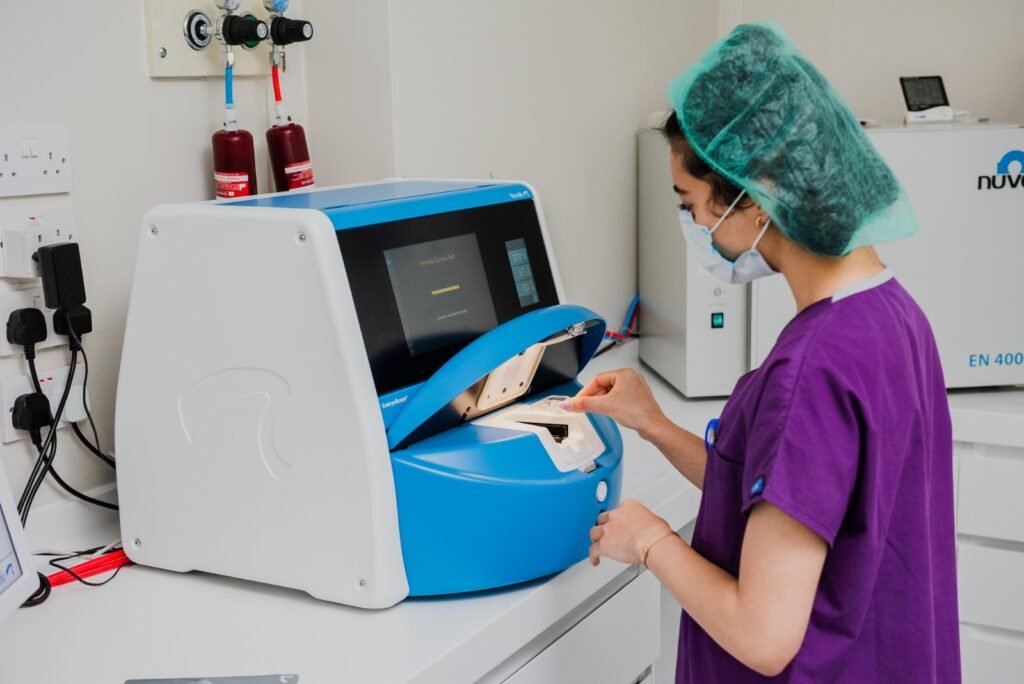
The surgical sperm retrieval process in Cyprus consists of evaluating male infertility, determining the type of azoospermia, selecting the appropriate surgical method, searching for sperm cells in the laboratory, and planning the microinjection stage.
At Vita Altera IVF Center, existing semen analyses, hormone results, urological evaluations, genetic tests, and any previously attempted sperm retrieval procedures are reviewed before treatment. Whether the surgical procedure is scheduled on the same day as the egg retrieval or on a separate, earlier date is decided on a case-by-case basis. Retrieving and freezing sperm beforehand can help confirm that usable sperm is available before starting ovarian stimulation for the female partner. Patients coming from Turkey or other countries can share their medical reports before an online consultation. After the documents are reviewed, the necessary tests, the procedure method, and an estimated Cyprus treatment program can be prepared. 01
Semen analysis, hormone results, physical examination, and genetic findings are evaluated to distinguish between a blockage and a production problem. 02
The decision among PESA, MESA, TESE, or Micro-TESE is based on individual medical findings. 03
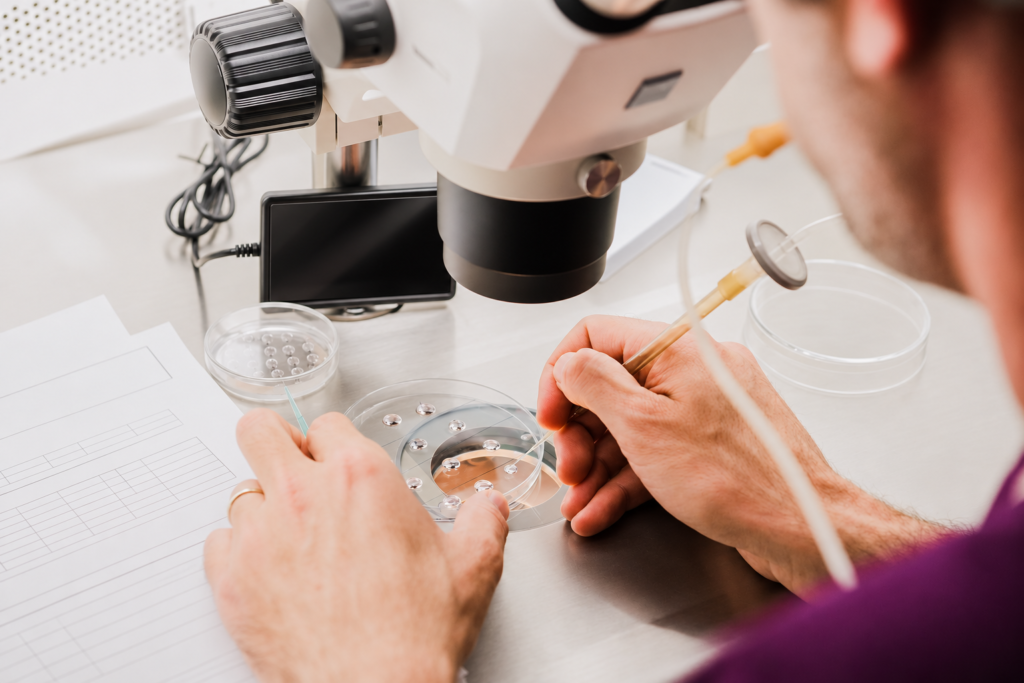
The fluid or tissue samples taken are examined in the laboratory during the procedure to search for viable and usable sperm cells.
VITA ALTERA IVF 03
Azoospermia is the absence of sperm cells in a properly examined semen sample. Azoospermia does not necessarily mean that no sperm are being produced in the testes.
In some men, sperm production continues normally, but sperm cells cannot reach the semen due to a congenital or acquired blockage. In others, sperm production in the testes is severely reduced or limited to specific small areas. Distinguishing between these two situations can influence the type of surgical sperm retrieval method used and the likelihood of finding sperm.
A condition where sperm production is present, but sperm cells cannot reach the semen due to a blockage in the transport ducts.
A condition where sperm production in the testes is significantly reduced, irregular, or continues only in small focal areas.
Is azoospermia confirmed with a single semen analysis?If no sperm are seen in the initial analysis, a re-evaluation of the semen sample under proper laboratory conditions may be requested. Searching for rare sperm cells in the pellet after centrifugation can change the treatment plan.
VITA ALTERA IVF 04
The main difference between these methods lies in whether the sperm cells are taken from the epididymis or directly from the testis, and which surgical technique is used.
A fine needle is passed through the skin to reach the epididymis, and fluid containing potentially viable sperm is aspirated. More commonly considered in azoospermia due to obstruction.
A small incision is made to open the epididymis, and fluid is taken from appropriate ducts under an operating microscope. This is a microsurgical method.
Small tissue samples are taken from the testis and examined in the laboratory for the presence of sperm cells. Can be applied in cases of obstruction and some production disorders. Should the most advanced method be used for everyone?No. The choice of method should be based on the cause of azoospermia. In a blockage-related case, a more limited procedure may be sufficient, whereas Micro-TESE may be necessary in cases of severe sperm production failure.
VITA ALTERA IVF 05
PESA stands for Percutaneous Epididymal Sperm Aspiration. It involves inserting a fine needle through the skin into the epididymis to aspirate fluid that may contain sperm.
The epididymis is a coiled duct structure where sperm cells produced in the testis mature and are transported. In obstructive azoospermia, usable sperm cells may be found within the epididymis. During PESA, fluid can be taken from one or more areas using a needle, without a surgical incision. The sample is examined in the embryology laboratory at the same time. If a sufficient number of viable sperm are obtained, they can be used for microinjection on the same day or, based on laboratory evaluation, frozen and stored for later use. In which patients is PESA more suitable?PESA is mostly considered in cases of obstructive azoospermia, where sperm production is ongoing but sperm cannot reach the semen due to vasectomy, congenital absence of the ducts, or another blockage.
VITA ALTERA IVF 06
MESA stands for Microsurgical Epididymal Sperm Aspiration. It involves reaching the epididymal ducts through a small surgical incision and with the aid of an operating microscope to collect fluid containing sperm.
Under the microscope, the epididymal ducts are evaluated in detail, aiming to collect fluid from an area with a high likelihood of containing sperm. MESA is most often used in cases of obstructive azoospermia where sperm production continues, such as after vasectomy or in some patients with congenital absence of the sperm ducts. If a suitable sample is obtained, sperm portions can be prepared for use in the current IVF treatment and stored for future therapies. The amount that can be obtained cannot be guaranteed beforehand. What is the main difference between MESA and PESA?PESA is a closed aspiration procedure performed with a needle through the skin. In MESA, the epididymis is accessed via a small incision, and the sperm-containing ducts are evaluated using an operating microscope.
VITA ALTERA IVF 07
TESE stands for Testicular Sperm Extraction. It is the process of taking one or more small samples of testicular tissue and examining them in the laboratory for the presence of sperm cells.
In TESE, a small incision is made in the tunica albuginea (the protective layer of the testis) to obtain a tissue sample. The sample is then processed in the embryology laboratory to dissect the seminiferous tubules and assess whether sperm are present. The procedure can be performed in cases of obstructive azoospermia or certain sperm production disorders. In non-obstructive azoospermia, Micro-TESE may be considered more appropriate than classic TESE. If sperm are found, the cells can be used for microinjection treatment. If a sufficient number and quality of viable cells are obtained, the remaining sperm or testicular tissue can be frozen and stored. Is sperm retrieval guaranteed during TESE?No. Especially in non-obstructive azoospermia due to a production failure, sperm cells may not be found despite the procedure. The chance of obtaining sperm depends on the cause of the condition, genetic results, and the state of sperm production in the testicular tissue.
VITA ALTERA IVF 08
Micro-TESE is a microsurgical technique where testicular tissue is examined under an operating microscope to selectively sample seminiferous tubules that appear more likely to be producing sperm.
In non-obstructive azoospermia, sperm production may not be uniform throughout the testis. In many cases, sperm production continues only in very limited, small areas, while the surrounding tissue contains no sperm at all. The operating microscope helps the surgeon identify and select tubules that appear larger or different in appearance. The small tissue samples taken are examined in detail in the embryology laboratory during the procedure. It may be necessary to assess different regions of the testis in a controlled manner until sperm are found. Once sufficient samples are obtained, the procedure is concluded to minimize unnecessary tissue loss. Who is Micro-TESE preferred for?Micro-TESE is primarily considered in cases of non-obstructive azoospermia where sperm production in the testes is severely reduced. Not every patient with azoospermia requires Micro-TESE.
VITA ALTERA IVF 09
Small testicular biopsies are taken from one or a few areas, and the samples are examined for sperm cells.
The testicular tissue is evaluated under an operating microscope, and targeted samples are taken from tubules that appear likely to contain sperm.
Can classic TESE be performed first, followed by Micro-TESE?Micro-TESE may be considered for some patients who have had a previously unsuccessful TESE. The previous surgery report, pathology results, hormone levels, and testicular structure should be reviewed before a new intervention.
VITA ALTERA IVF 10
TESA stands for Testicular Sperm Aspiration. It aims to obtain testicular tissue or cell samples using a needle inserted through the skin into the testis, with the application of negative pressure.
TESA is a percutaneous method that does not require a surgical incision. It is often considered in cases of obstructive azoospermia or when sperm cannot be retrieved from the epididymis. In non-obstructive azoospermia with severely impaired sperm production, the limited sample obtained via needle aspiration may not be sufficient. In such patients, Micro-TESE may be a more appropriate option. Are TESA and TESE the same procedure?No. TESA involves aspiration with a needle inserted into the testis. TESE involves taking a biopsy from the testicular tissue through a small surgical incision.
VITA ALTERA IVF 11
The procedure can be planned for patients who are unable to produce sufficient and usable sperm via ejaculation, following a joint evaluation by urology, andrology, and IVF teams.
Is surgery performed immediately for every azoospermia patient?No. The cause of azoospermia should be investigated first. If a hormonal imbalance, ejaculation problem, or a correctable blockage is found, other treatment options may be considered.
VITA ALTERA IVF 12
In obstructive azoospermia, surgical sperm retrieval followed by microinjection is not the only option. For some patients, microsurgical reconstruction of the sperm ducts may be considered.
Sperm is taken from the epididymis or testis and used in IVF and microinjection treatment.
In suitable blockages, opening or reconnecting the sperm ducts may allow sperm to once again appear in the semen.
Sperm can be retrieved during or before the duct repair and frozen for future assisted reproductive treatments.
The final decision should be made considering the location of the blockage, the female partner's age and ovarian reserve, treatment duration, and the couple's preferences.
VITA ALTERA IVF 13
The aim of the pre-procedure evaluation is to determine the cause of azoospermia, choose the sperm retrieval method, and avoid unnecessary surgical interventions.
Why is evaluating the female partner important?Because surgically retrieved sperm is most often used with microinjection, the female partner's age, ovarian reserve, and IVF plan also influence the timing of the procedure. Evaluating the couple together helps create a more accurate treatment program.
VITA ALTERA IVF 14
In some cases of azoospermia and severe oligospermia, genetic results can impact both the likelihood of successful sperm retrieval and the potential risks that could be passed on to the child.
Evaluates the number and major structural features of chromosomes. Can be used to investigate chromosomal conditions such as Klinefelter syndrome.
Searches for deletions in Y chromosome regions associated with sperm production. The result may be significant for both sperm retrieval probability and genetic counseling.
In cases of congenital absence of the sperm ducts or unexplained obstructive azoospermia, changes related to the CFTR gene may be evaluated.
The implications of genetic findings on the sperm retrieval procedure, microinjection, and potential inheritance risks are discussed with the couple. Can a genetic result make the surgical procedure unnecessary?In some types of Y chromosome microdeletions, it is known that the chance of successful surgical sperm retrieval is very low or nonexistent. Therefore, completing appropriate genetic tests before the procedure can help reduce the risk of unnecessary surgery.
VITA ALTERA IVF 15
The surgical sperm procedure can be planned for the same day as the egg retrieval or as a separate date before the IVF treatment.
The surgical procedure is performed before the IVF treatment begins. If sperm are found, suitable cells are frozen and stored.
The surgical sperm retrieval and the female partner's egg retrieval are performed within the same treatment cycle.
Which timing is more suitable?There is no single correct timing. The type of azoospermia, whether sperm have been found before, the possibility of freezing, the female partner's ovarian reserve, and the couple's preferences for alternative treatments are all considered together.
VITA ALTERA IVF 16
The process consists of consecutive stages, from the initial urological evaluation to the discovery of sperm cells in the laboratory and their preparation for microinjection.
1
Duration of infertility, childhood illnesses, undescended testis, surgeries, infections, vasectomy, medications, and cancer treatments are reviewed. 2
Azoospermia or severe oligospermia is confirmed with a proper laboratory evaluation, and rare sperm cells are searched for. 3
Findings such as testicular volume, sperm ducts, FSH, and testosterone are used to differentiate between obstruction and production failure. 4
Karyotype, Y chromosome microdeletion, or CFTR tests are planned for indicated patients. 5
The appropriate method among PESA, MESA, TESA, TESE, or Micro-TESE is selected based on the cause of azoospermia. 6
Depending on the scope of the procedure, local anesthesia, sedation, or general anesthesia may be planned. Instructions regarding fasting and medication use are given to the patient. 7
Aspiration is performed from the epididymis or small samples are taken from the testicular tissue, according to the chosen method. 8
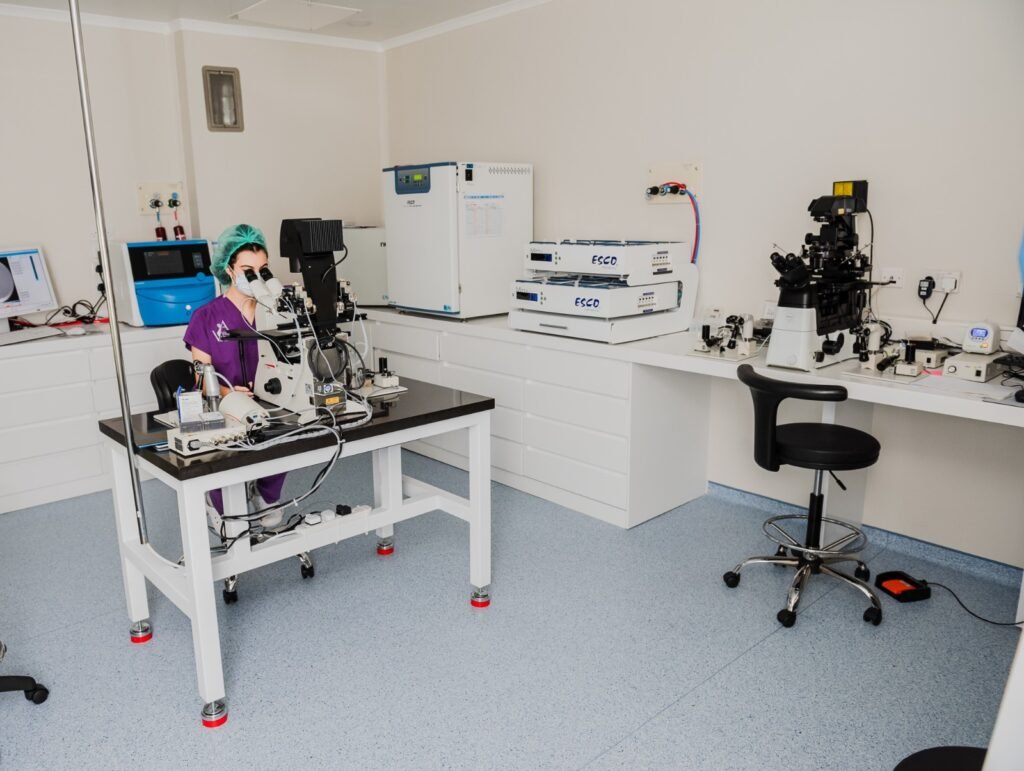
The samples taken are processed in the embryology laboratory and examined under a microscope for viable sperm cells. 9
If no sperm are found in the first sample, obtaining additional samples from different areas using the selected surgical method may be considered. 10
Any viable sperm cells found are prepared in the laboratory for microinjection, and usable cells are identified. 11
Sperm cells can be injected into mature eggs on the same day or, if a sufficient number and quality of cells are found, can be frozen. 12
The patient is given information regarding pain management, wound care, activity restrictions, and the follow-up appointment.
VITA ALTERA IVF 17
Because sperm cells obtained through surgical methods may be limited in number and have low motility, microinjection is the preferred method for fertilization.
1
The laboratory team evaluates the sperm cells in the tissue or aspiration fluid for motility and viability. 2
Mature eggs obtained from the female partner or an appropriate egg source are prepared for microinjection. 3
For each mature egg, a viable sperm cell to be used is selected by the embryologist. 4
A single, selected sperm cell is injected directly into the mature egg using a very fine pipette. 5
The day after the procedure, the eggs are assessed for signs of normal fertilization. 6
The resulting embryos are monitored, and those showing suitable development are evaluated for transfer. Can finding a single sperm cell be enough?Microinjection requires one viable sperm cell per mature egg. Finding a very limited number of sperm can make treatment possible; however, there is no guarantee that each sperm cell will result in fertilization.
VITA ALTERA IVF 18
Sperm cells obtained surgically can be used fresh on the same day or, if considered suitable, can be frozen for future microinjection treatments.
Can surgically retrieved sperm always be frozen?No. If the number of cells is very limited or if it is thought that viability cannot be maintained after thawing, fresh use may be preferred. The decision is based on laboratory findings.
VITA ALTERA IVF 19
Especially in non-obstructive azoospermia, it is possible that no sperm cells are found despite the most comprehensive surgical method.
If no sperm are found, the laboratory examination of the tissue taken is evaluated together with previous genetic and hormone results. If the egg retrieval was performed on the same day, options such as freezing the eggs, discontinuing the treatment, or implementing alternative plans previously discussed with the couple may be considered. The suitability of a new sperm retrieval attempt should be evaluated considering the previous surgical method, pathology results, the cause of the production failure, and the condition of the testicular tissue. Can Micro-TESE be repeated?A second Micro-TESE may be considered in some patients; however, each repeated procedure does not increase the chance of finding sperm. Previous surgical findings, potential effects on testicular tissue, and realistic success probabilities should be discussed in detail.
VITA ALTERA IVF 20
The recovery time may vary depending on whether the method used was a needle aspiration, open biopsy, or microsurgery.
When can one return to daily activities?Recovery may be shorter after needle-based procedures like PESA or TESA. More extended rest may be required after TESE and Micro-TESE. The time to return to work and sports is determined by the doctor based on the method used and the individual's healing process.
VITA ALTERA IVF 21
When performed by experienced teams, surgical sperm retrieval procedures are usually completed in a controlled manner; however, like any surgical intervention, they carry certain risks.
Temporary pain, tension, or tenderness in the testicular and scrotal area may occur after the procedure.
Minor bleeding in the surgical area may cause temporary swelling or skin bruising.
Rarely, blood may collect between tissues, requiring additional follow-up or treatment.
The risk of infection in the procedure area is low; evaluation is needed in case of fever, discharge, or increased pain.
Taking multiple or large tissue samples may increase the risk of damage and scar formation in the testicular tissue.
Especially after extensive testicular surgeries, a temporary or permanent decrease in testosterone levels may be observed.
If sedation or general anesthesia is administered, there are anesthesia-related risks depending on the individual's health status.
The main limitation of the procedure is the inability to obtain usable sperm cells despite the surgical intervention.
VITA ALTERA IVF 22
The chance of finding sperm and the subsequent outcome of microinjection should be evaluated separately.
The likelihood of finding sperm differs between obstruction-related azoospermia and azoospermia due to production failure.
Genetic conditions, past treatments, undescended testis, and testicular damage can affect sperm production.
Karyotype and Y chromosome microdeletion results can provide important information regarding the probability of sperm retrieval.
Hormones like FSH and testosterone give information about testicular function but do not show a definitive result on their own.
The results of prior TESE or Micro-TESE procedures and the amount of tissue taken can affect a new procedure.
Choosing a method appropriate for the type of azoospermia can influence the likelihood of reaching areas containing sperm.
Processing tissue samples and searching for rare sperm cells requires an experienced embryology team.
Obtaining sperm alone does not guarantee pregnancy. The age, maturity, and quality of the egg affect fertilization and embryo development.
After fertilization, embryo development, uterine structure, and the transfer process are also important for achieving a pregnancy. Sperm retrieval rate is not the pregnancy rateObtaining sperm cells during the surgical procedure only makes microinjection possible. Fertilization, embryo development, implantation, and live birth are separate stages.
VITA ALTERA IVF 23
The cost of surgical sperm retrieval in Cyprus can vary depending on the method used, the type of anesthesia, laboratory examination requirements, and the need for sperm freezing.
The cost of a needle-based procedure like PESA is not the same as a more comprehensive procedure like Micro-TESE, which requires an operating microscope and more extensive surgical equipment. The main factors that can affect the total cost include:
What details should be asked when comparing prices?When comparing prices, it should be clarified whether anesthesia, operating room, embryology laboratory sperm search, freezing, storage, and microinjection procedures are included in the quoted price. Current procedure details and fee information are shared by our patient coordinators after reviewing the existing semen analyses, hormone results, and urology reports.
VITA ALTERA IVF 24
At Vita Altera, surgical sperm retrieval is approached not just as a sperm extraction surgery but as a holistic process that includes investigating the cause of azoospermia, selecting the appropriate surgical method, searching for sperm in the laboratory, and coordinating the microinjection treatment.
Surgical methods do not provide a success guaranteeAdvanced surgical and laboratory techniques can support the probability of finding and using sperm cells. However, sperm retrieval, fertilization, embryo development, pregnancy, and live birth cannot be guaranteed in any treatment program.
VITA ALTERA IVF 25
VITA ALTERA IVF 26
If no sperm were found in repeated semen analyses, or if a previous sperm retrieval attempt was unsuccessful, it can be evaluated whether PESA, MESA, TESE, or Micro-TESE is the appropriate option for you. Our patient coordinators will forward your semen analysis, hormone, genetic, and urology reports to our doctors to provide you with support regarding an online preliminary evaluation, the surgical sperm procedure, the microinjection program, and current pricing.

VITA ALTERA IVF · OUR TEAM
Tedavi seçenekleri, süreç ve Kıbrıs planlaması hakkında bize WhatsApp'tan yazabilirsiniz.