

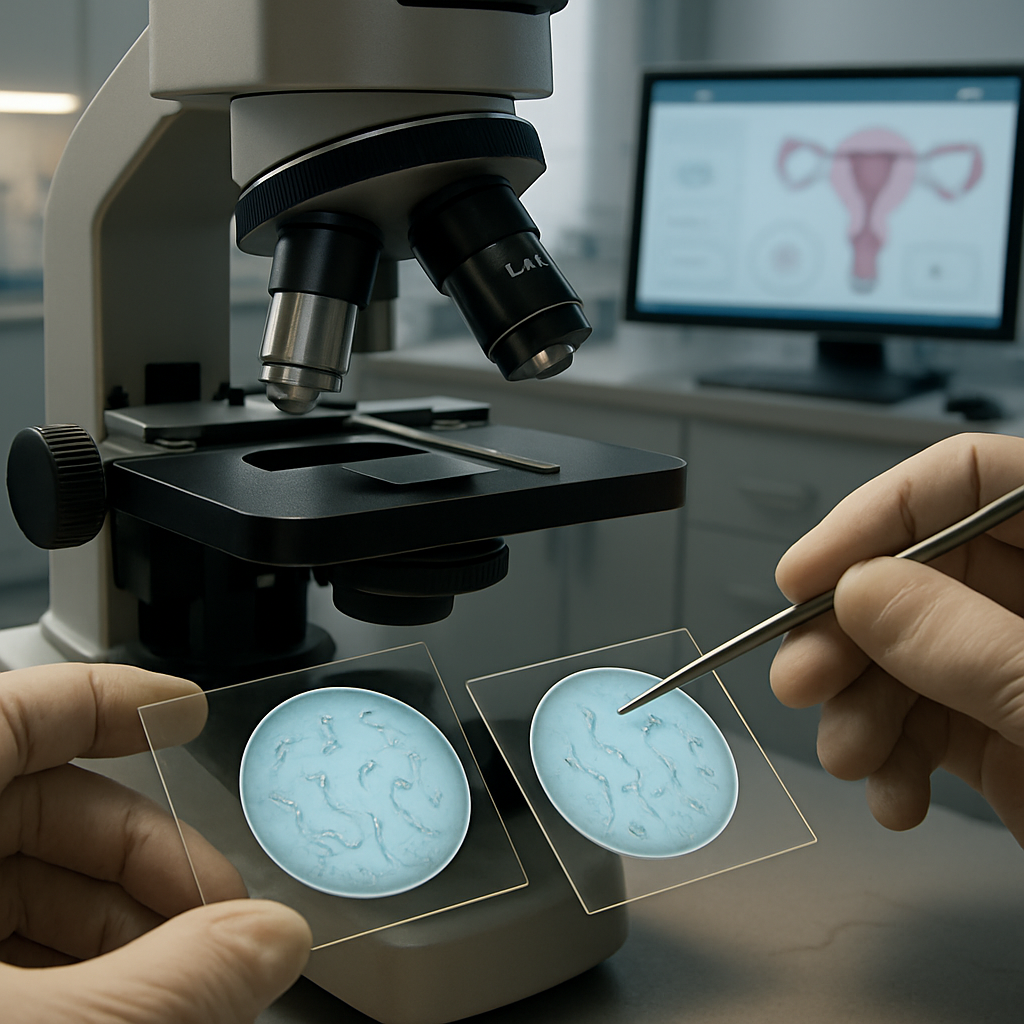
Asthenospermia, also known as asthenozoospermia, is a male fertility condition characterized by reduced sperm motility. In other words, sperm cells are less able to move efficiently, making it harder for them to reach and fertilize an egg. This condition is a significant factor in male infertility, affecting chances of natural conception. Understanding what asthenospermia means, its symptoms, causes, and treatment options—including IVF—is essential for couples facing difficulties conceiving.
Asthenospermia Definition: What Does It Mean?
Asthenospermia refers to a decrease in the motility of sperm cells. According to the World Health Organization, a semen sample is considered to show asthenospermia if less than 40% of sperm show normal movement, or less than 32% show progressive movement (moving forward efficiently). Sperm motility is crucial for natural conception, as sperm must swim through the female reproductive tract to reach and fertilize the egg. If their movement is weak or sluggish, the chances of pregnancy decrease significantly.
What Causes Asthenospermia?
Asthenospermia can develop due to a wide range of causes, which can be temporary or permanent. The most common asthenospermia causes include:
- Genetic Factors: Some men may inherit conditions that affect sperm structure or function, resulting in low motility.
- Lifestyle Factors: Smoking, excessive alcohol consumption, obesity, and poor diet can negatively impact sperm health.
- Environmental Toxins: Exposure to chemicals, pesticides, heavy metals, or radiation may damage sperm.
- Infections: Infections of the reproductive tract, such as prostatitis or sexually transmitted infections, can impair sperm motility.
- Varicocele: Enlarged veins in the scrotum can raise testicular temperature and affect sperm movement.
- Hormonal Imbalances: Issues with hormones such as testosterone, FSH, or LH can disrupt sperm production and motility.
- Medical Conditions: Chronic illnesses like diabetes or thyroid disorders can also play a role.
Understanding the specific asthenospermia cause in each individual case is important for determining the best treatment plan.
Symptoms of Asthenospermia: How to Recognize It?
Asthenospermia does not usually produce obvious physical symptoms. Most men discover the condition only after undergoing fertility testing due to difficulties conceiving. The main asthenospermia symptom is a low sperm motility percentage found in a semen analysis. However, men with underlying causes like infections or varicocele might experience related symptoms, such as:
- Pain or swelling in the testicles or groin
- Discomfort during ejaculation
- Visible varicose veins in the scrotum
Still, most cases of asthenospermia are asymptomatic, making routine fertility evaluation essential for couples struggling to conceive.
Types of Asthenospermia: Mild vs. Severe
Asthenospermia is categorized based on the degree of reduced motility:
- Mild Asthenospermia: Slightly lower than normal sperm motility. Men with mild asthenospermia may still have a reasonable chance of natural conception, especially if other sperm parameters are normal.
- Severe Asthenospermia: Very low or almost no motile sperm in the semen sample. Severe cases are more challenging and often require assisted reproductive technologies for pregnancy.
The treatment approach and chances of success can vary greatly depending on whether the asthenospermia is mild or severe.
Asthenospermia and Chances of Pregnancy
Asthenospermia can significantly reduce the chances of natural pregnancy because sperm struggle to reach and fertilize the egg. However, the outlook depends on the severity of the motility issue and the presence of other fertility factors in both partners. Some couples with mild asthenospermia may conceive naturally, but severe cases usually require medical intervention.
Asthenospermia and IVF: Can Assisted Reproduction Help?
Assisted reproductive technologies (ART) like IVF (In Vitro Fertilization) have revolutionized treatment for asthenospermia. IVF bypasses the need for sperm to travel through the female reproductive tract by allowing fertilization to occur in a laboratory setting. In cases where sperm motility is extremely low, a specialized technique called ICSI (Intracytoplasmic Sperm Injection) can be used. With ICSI, a single sperm is directly injected into the egg, dramatically increasing the chances of successful fertilization—even with severe asthenospermia.
IVF Success Rates with Asthenospermia
IVF success rates in cases of asthenospermia depend on various factors, including the female partner’s age, egg quality, and overall reproductive health. Generally, the use of ICSI has greatly improved outcomes for couples dealing with low sperm motility. Many couples with asthenospermia have achieved successful pregnancies through IVF with ICSI, making it one of the most effective treatment options for this condition.
Can Asthenospermia Be Cured?
Whether asthenospermia can be cured depends on its cause. In some cases, addressing underlying issues—such as treating infections, correcting varicocele, or making positive lifestyle changes—can improve sperm motility. Antioxidant supplements and medications may also help in certain situations. However, if the cause is genetic or irreversible, curing asthenospermia completely may not be possible. Even then, fertility treatments like IVF and ICSI offer hope for achieving pregnancy despite low sperm motility.