

The average number of eggs retrieved during IVF by age is a crucial metric for couples undergoing fertility treatment. This number not only shapes the success rates of an IVF cycle but also influences decisions about how many embryos might be created, frozen, or transferred. The number of eggs retrieved is directly affected by the woman’s age, as egg quantity and quality naturally decline over time. Understanding this correlation helps set realistic expectations and prepares patients for the IVF journey ahead.
While IVF success depends on many variables, egg count is foundational. It’s not just about how many eggs are retrieved, but also how many are mature and viable for fertilization. The average number of eggs retrieved during IVF by age serves as a benchmark to guide both doctors and patients in planning and adjusting treatment strategies. Younger women typically produce more eggs, but even those in older age brackets can achieve success with the right approach.
Understanding Your Body The Science Behind Egg Retrieval and Age
The female reproductive system is designed to release one mature egg per menstrual cycle. However, during IVF, hormone medications stimulate the ovaries to produce multiple eggs. The body’s ability to respond to this stimulation varies with age. Younger ovaries generally contain more follicles, making it easier to retrieve a higher number of eggs. As age increases, both the number and responsiveness of follicles decline, which affects the IVF average number of eggs retrieved by age in older women.
Age impacts not only the number of eggs retrieved but also their quality. As women reach their mid-to-late 30s, chromosomal abnormalities in eggs become more common, which can affect fertilization, embryo development, and implantation. Therefore, even if a reasonable number of eggs are retrieved, their viability may be compromised. Understanding how age interacts with the hormonal and ovarian environment is essential to making informed choices about when and how to pursue IVF.
Ovarian Reserve AMH Levels and Your Egg Supply
One of the most reliable ways to estimate egg supply is through measuring Anti-Müllerian Hormone (AMH) levels. AMH is produced by small follicles in the ovaries and reflects the remaining quantity of a woman’s egg reserve. Higher AMH levels usually indicate a larger pool of eggs and predict a stronger response to stimulation during IVF. Women with high AMH often retrieve more eggs, while those with low AMH may produce fewer, regardless of age.
This connection between AMH and egg count is why fertility clinics often test AMH before starting an IVF cycle. It helps doctors forecast the average number of eggs retrieved IVF by age in a more personalized way. A 30-year-old with low AMH might retrieve fewer eggs than a 38-year-old with high AMH, proving that while age is important, ovarian reserve plays a pivotal role. Monitoring AMH allows clinicians to optimize medication protocols and improve the likelihood of a successful egg retrieval.
Total Eggs Versus Mature Eggs What Really Leads to Pregnancy?
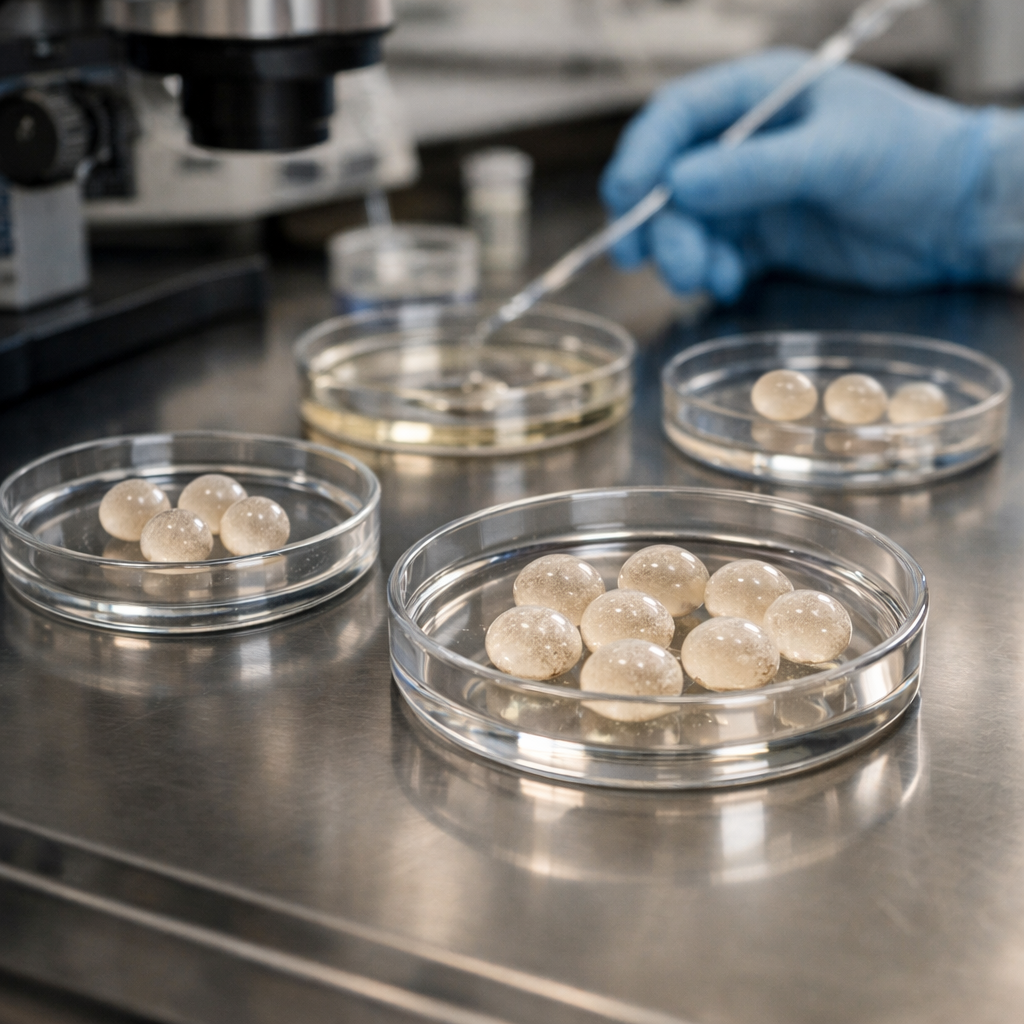
In IVF, not every egg retrieved can lead to pregnancy. Only mature eggs those that have reached the metaphase II stage can be fertilized. During egg retrieval, a woman might produce 15 eggs, but only 10 of them may be mature and viable for fertilization. This distinction is critical because it’s the mature eggs that matter most for embryo creation and eventual pregnancy outcomes.
The average number of mature eggs retrieved IVF by age is often lower than the total number retrieved, especially in older women. Younger patients generally have a higher ratio of mature to total eggs. Clinics aim to retrieve a good number of high-quality mature eggs to increase the chances of developing healthy embryos. The difference between total eggs and mature eggs is why two women with similar retrieval numbers may have very different outcomes. Emphasizing egg maturity is key in evaluating IVF success potential and refining future treatment cycles.
IVF Egg Retrieval Statistics Averages Broken Down by Age Group
The average number of eggs retrieved during IVF by age is a well-documented metric, supported by years of clinical data from fertility centers worldwide. These averages provide a realistic framework for what patients can expect during an IVF cycle. Women under 35 tend to produce the highest egg counts, with an average of 12 to 20 eggs per retrieval. This is due to stronger ovarian reserves and more responsive follicles. As women age, particularly after 35, this number begins to decline. Between ages 35 and 37, the average drops to 10 to 15 eggs per cycle.
From ages 38 to 40, women typically retrieve around 8 to 12 eggs. After age 40, the IVF average number of eggs retrieved by age can range from 5 to 10 eggs per cycle, and in some cases, even fewer. The decline is due not only to reduced egg quantity but also diminished ovarian responsiveness to stimulation medications. However, it’s important to note that these are average numbers; individual outcomes may vary based on hormone levels, overall health, and the clinic’s protocol. Understanding where you fall within these averages helps guide expectations and tailor treatments accordingly.
Even though older women may retrieve fewer eggs, success is still possible with a focus on egg quality and personalized care. For example, a woman aged 42 who retrieves only 5 eggs might have one or two mature embryos suitable for transfer. With modern techniques like embryo genetic testing and freezing, the chances of success have improved even for those outside the optimal age range. Clinics use the average number of eggs retrieved IVF by age not just to set benchmarks but to refine stimulation protocols, offering hope and strategic options for women across all reproductive stages.
Finding the Sweet Spot What is a Good Egg Retrieval Number?
There’s no universal “perfect” number of eggs in IVF, but most fertility specialists agree that retrieving between 10 and 15 eggs provides a good balance between quantity and safety. This range tends to yield enough mature eggs for fertilization while minimizing the risk of ovarian hyperstimulation syndrome (OHSS). The goal is to retrieve enough eggs to produce at least one high-quality embryo suitable for transfer. In many successful IVF cases, pregnancy occurs from cycles with as few as 8 or as many as 20 eggs, depending on egg quality and other individual factors.
The average number of mature eggs retrieved IVF by age is a more accurate predictor of success than total eggs retrieved. On average, about 70–80% of eggs retrieved are mature, but this percentage can be lower in women over 40. The key is finding a sweet spot—retrieving enough mature eggs to increase the chance of creating a viable embryo, without over-stimulating the ovaries. Doctors often adjust medication doses to find this balance, based on AMH levels, age, antral follicle count, and past response to stimulation. Ultimately, success depends more on egg quality and embryo development than sheer numbers alone.
Beyond Age Other Key Factors Influencing Egg Retrieval Success
While age remains one of the most significant predictors of egg retrieval outcomes, it is far from the only factor that matters. Many women under 35 may still retrieve fewer eggs than expected due to underlying medical conditions or hormonal imbalances. Conversely, some women over 40 can achieve surprisingly strong results with the right protocol. The average number of eggs retrieved during IVF by age gives a general framework, but individual success is influenced by many variables, such as ovarian reserve, medication response, and overall reproductive health.
Fertility doctors assess each patient’s unique situation to determine the optimal treatment plan. Conditions like polycystic ovary syndrome (PCOS), endometriosis, thyroid disorders, or autoimmune diseases can all impact egg retrieval success. Additionally, factors such as body mass index (BMI), stress, and nutritional status play subtle but important roles. A holistic approach that considers both age and personal health can improve both egg count and egg quality, making IVF more effective and tailored to each woman’s body.
Medical History and Response to Stimulation Medication
A woman’s medical history heavily influences how well her body responds to ovarian stimulation drugs. For instance, patients with a history of low ovarian reserve or previous poor response to fertility medications may produce fewer eggs, even at younger ages. Conversely, some women are hyper-responders, producing a large number of follicles and eggs, though this must be carefully managed to avoid complications like OHSS. These variations explain why the IVF average number of eggs retrieved by age is only one piece of a much larger puzzle.
Personalized dosage and medication choices are essential to maximizing egg yield while minimizing risks. For example, a patient with a history of endometriosis may require a different stimulation protocol than someone with PCOS. Doctors also monitor estrogen levels and follicle growth closely throughout the cycle to adjust dosages in real time. By taking past cycles, hormone levels, and prior health conditions into account, clinicians can optimize medication plans to increase the chances of retrieving a healthy number of mature eggs. Individualized care leads to better outcomes, especially for those whose medical histories complicate standard IVF procedures.
Protocol Choices and Clinic Experience
Not all IVF protocols are created equal, and the strategy chosen by your clinic can make a significant difference in your results. There are several types of stimulation protocols: antagonist, long agonist, microdose flare, and others, each with advantages depending on the patient’s age, AMH levels, and history. The protocol must be matched precisely to the patient’s needs to maximize the average number of eggs retrieved IVF by age. For example, younger patients may benefit from a mild stimulation to avoid hyper-response, while older patients may need a more aggressive approach to retrieve enough viable eggs.
Clinic experience and laboratory quality also matter. Highly experienced fertility clinics often fine-tune protocols more effectively, identify issues early, and provide advanced embryology services. Small adjustments in timing, dosage, and medication combinations can yield significant differences in outcomes. Additionally, the embryologists’ skill in handling retrieved eggs and cultivating embryos influences how many fertilized eggs make it to the blastocyst stage. Choosing a clinic that prioritizes personalized protocols and has a track record of success across age groups can dramatically increase your chances of retrieving high-quality eggs and achieving pregnancy.
Maximizing Your Results Simple Tips to Improve Egg Quality and Count
While some factors influencing egg retrieval are out of your control—like age or genetics—there are proactive steps you can take to support your reproductive health. Optimizing your lifestyle and nutrition before beginning IVF can enhance both egg count and quality. Studies show that antioxidant-rich diets, moderate exercise, and stress management positively impact ovarian function. These changes don’t just make you feel healthier; they may actually increase the average number of eggs retrieved during IVF by age, especially in women with borderline or low ovarian reserve.
Even simple adjustments like cutting out processed foods, reducing caffeine and alcohol, quitting smoking, and maintaining a healthy BMI can make a measurable difference. Improving blood flow to the ovaries through light exercise and acupuncture may also promote better follicular development. Although lifestyle changes can’t reverse the effects of aging, they can support hormone balance and overall reproductive function. Combining these habits with medical treatment offers a holistic path toward better IVF outcomes, potentially increasing both egg yield and embryo viability.
Pre-IVF Preparation Lifestyle Changes and Key Supplements
The pre-IVF period is a critical time to build a strong foundation for success. Taking the right supplements and making intentional lifestyle choices can directly influence your ovarian response. Fertility experts often recommend starting a regimen of prenatal vitamins, CoQ10, omega-3 fatty acids, and vitamin D several months before beginning treatment. These supplements help support cellular energy production, reduce oxidative stress, and may improve the quality of eggs retrieved. In women over 35, this approach has been linked to improved embryo quality and higher fertilization rates.
Additionally, getting 7–8 hours of quality sleep, practicing yoga or meditation to manage stress, and staying well-hydrated can improve hormonal balance. Reducing exposure to environmental toxins like BPA and pesticides may also protect egg health. These seemingly small steps can support your body’s natural processes and potentially raise the average number of mature eggs retrieved IVF by age. While supplements and lifestyle adjustments can’t guarantee results, they give your body the best chance of responding well to stimulation, especially when combined with personalized medical care.
Partnering with Your Doctor Personalizing the Protocol
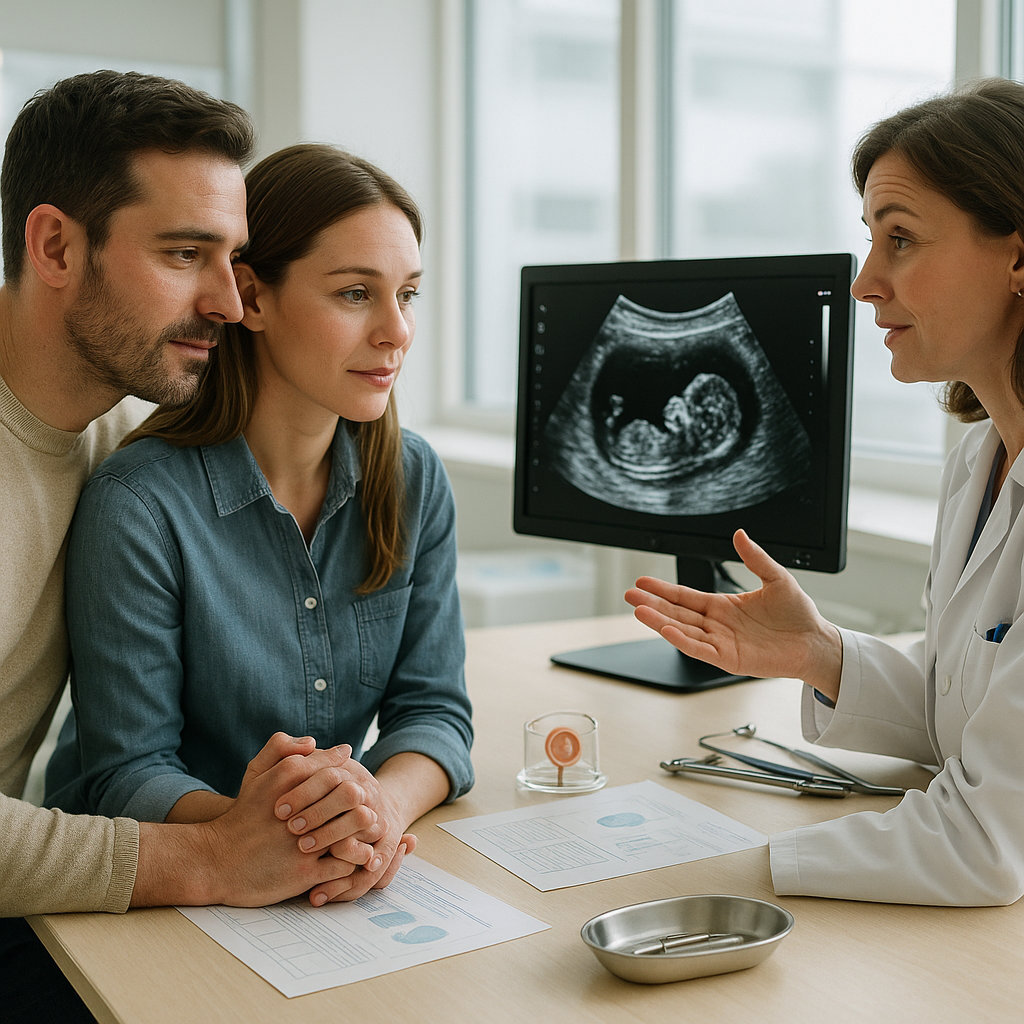
One of the most powerful tools in IVF success is close collaboration with your fertility specialist. Every patient’s body responds differently to stimulation, and working with a doctor who tailors the protocol to your needs can improve both egg count and quality. By reviewing your hormone levels, AMH, past cycle data (if any), and ultrasound results, your doctor can design a medication plan that’s neither too mild nor too aggressive. This level of customization can significantly affect the IVF average number of eggs retrieved by age, especially in women with complex medical histories or inconsistent responses.
Open communication is essential. Make sure to ask your doctor why a particular protocol is recommended, what adjustments can be made mid-cycle, and how your progress will be monitored. Clinics that actively adjust protocols in real time based on your body’s response tend to achieve better outcomes. It’s also worth discussing embryo freezing strategies, genetic testing, and how to prepare for future cycles if needed. A proactive, informed approach combined with a fertility team that listens empowers you to make the most of your treatment and increase your chances of retrieving viable, healthy eggs.